
Table of Contents
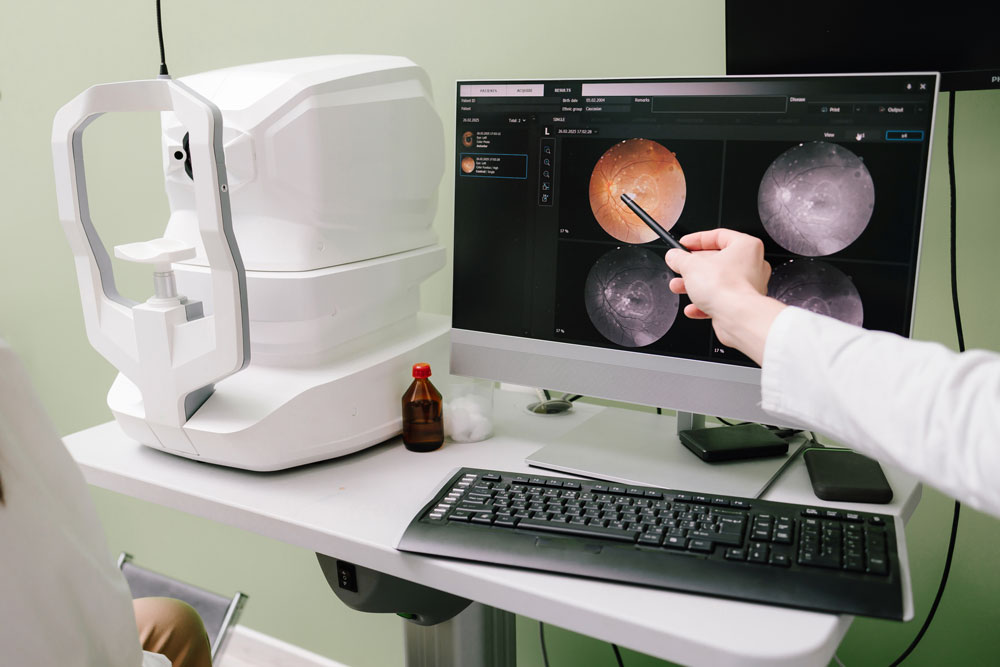
Medical Retina Care
The retina is the light-sensitive tissue at the back of the eye that allows us to see. Certain retinal conditions affect the function of the retina and may lead to gradual or sudden changes in vision.
Medical retina care focuses on the diagnosis and treatment of retinal diseases that are managed without major surgery, often using medications, injections or laser therapy.
At Claris Eye Centre, patients with retinal conditions undergo a detailed eye examination and retinal diagnostics to determine the cause of symptoms and the most appropriate treatment approach.
Care by Dr Helen Mi Fang
Medical retina care at Claris Eye Centre is provided by Dr Helen Mi Fang, a dual-fellowship trained ophthalmologist, vitreo-retinal surgeon and medical retinal specialist with subspecialty experience invitreo-retinal diseases and medical retinal conditions.
Dr Helen evaluates and manages a range of retinal disorders including macular degeneration, diabetic eye disease and retinal vascular conditions. Management plans are tailored according to the underlying disease, severity of retinal changes and each patient’s visual needs.
Common Medical Retinal Conditions
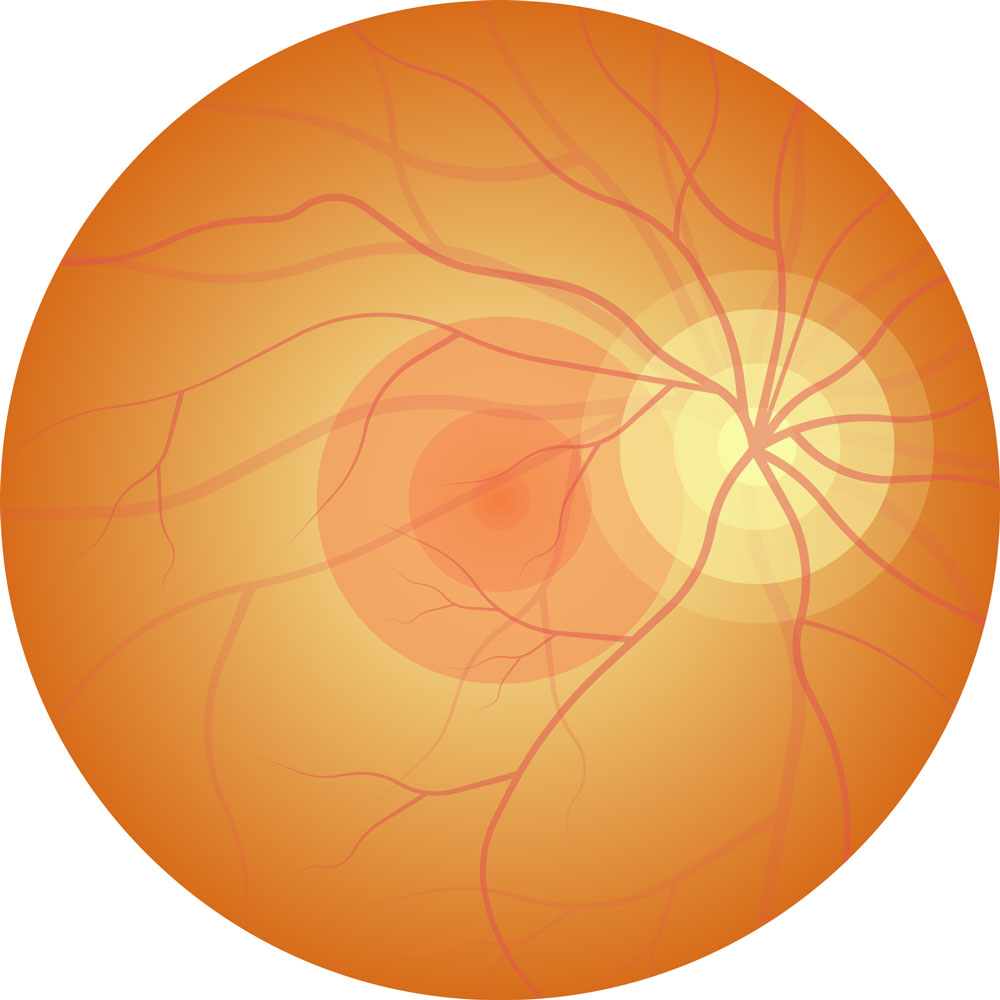
Normal Eye
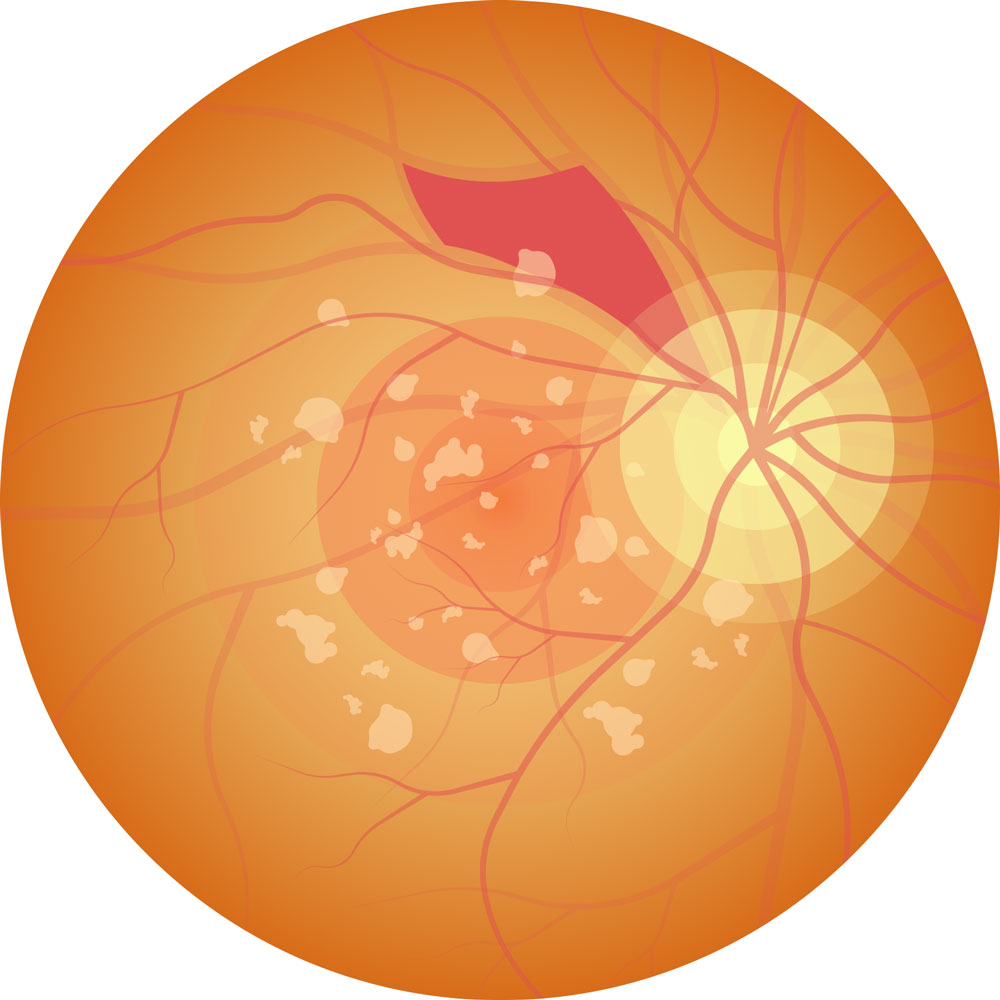
Dry AMD
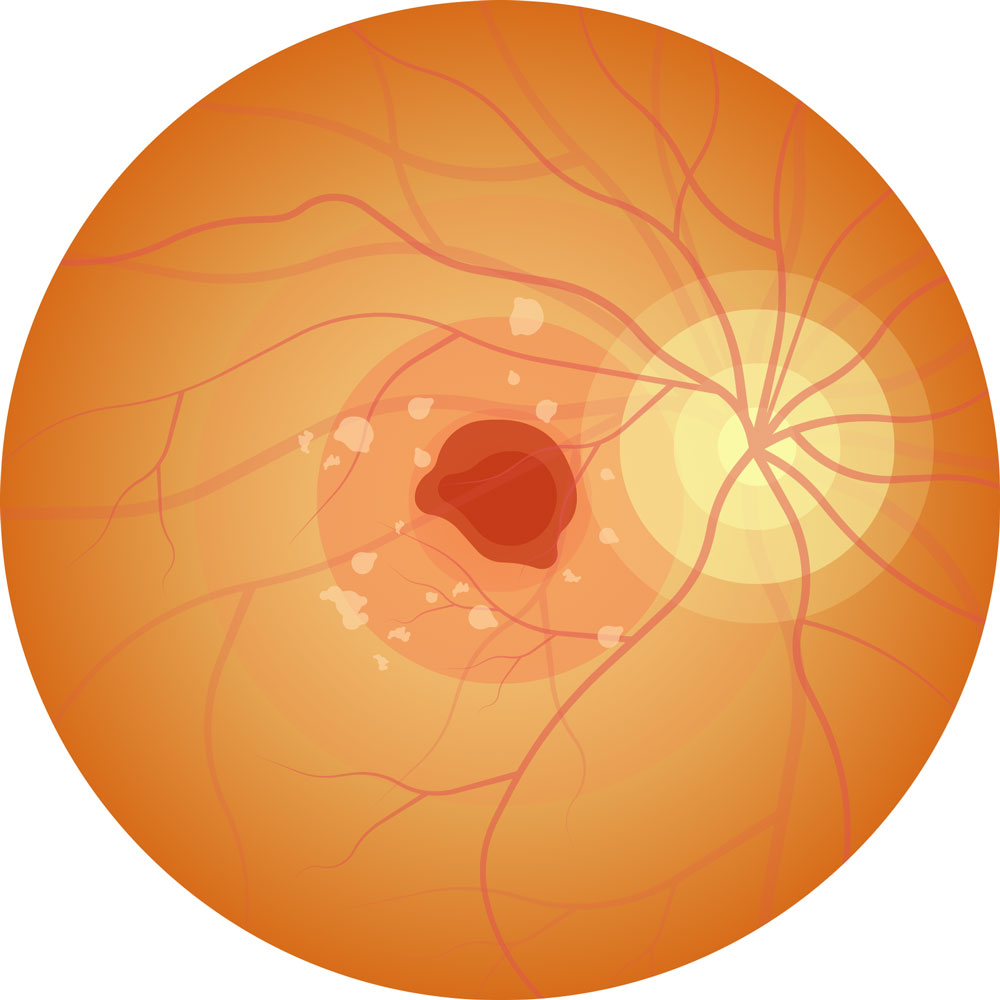
Wet AMD
Age-Related Macular Degeneration (AMD)
Age-related macular degeneration affects the macula, the central part of the retina responsible for detailed vision.
AMD may cause:
- Blurred or distorted central vision
- Difficulty reading or recognising faces
- Straight lines appearing wavy
- A dark or blurred area in central vision
There are two main forms of AMD:
- Dry AMD, which usually progresses gradually
- Wet AMD, which involves abnormal blood vessel growth and may cause more rapid vision changes
Early diagnosis allows monitoring and treatment, when necessary, to prevent irreversible damage to the retinal layers.
Normal Eye

Diabetic Retinopathy
Diabetic Retinopathy
Diabetic retinopathy occurs when high blood sugar levels damage the small blood vessels in the retina. In early stages, symptoms may be mild or absent. As the condition progresses, patients may experience:
- Blurred vision
- Floaters
- Difficulty seeing clearly
Regular eye examinations are important for individuals with diabetes to detect retinal changes early so that early interventions can prevent further worsening.
Normal Eye
Diabetic Maculopathy
Diabetic Maculopathy
Diabetic maculopathy occurs when fluid or leakage from retinal blood vessels that are damaged by diabetes affects the macula. This results in thickening and distortion of the macular structure and difficulty in focusing.
This may result in:
- Blurred central vision
- Difficulty reading
- Reduced visual clarity
- Distortion of vision
Treatment may be recommended depending on the severity and how much the vision is affected.
Normal Eye
Retinal Vein Occlusions
Retinal Vein or Artery Occlusions
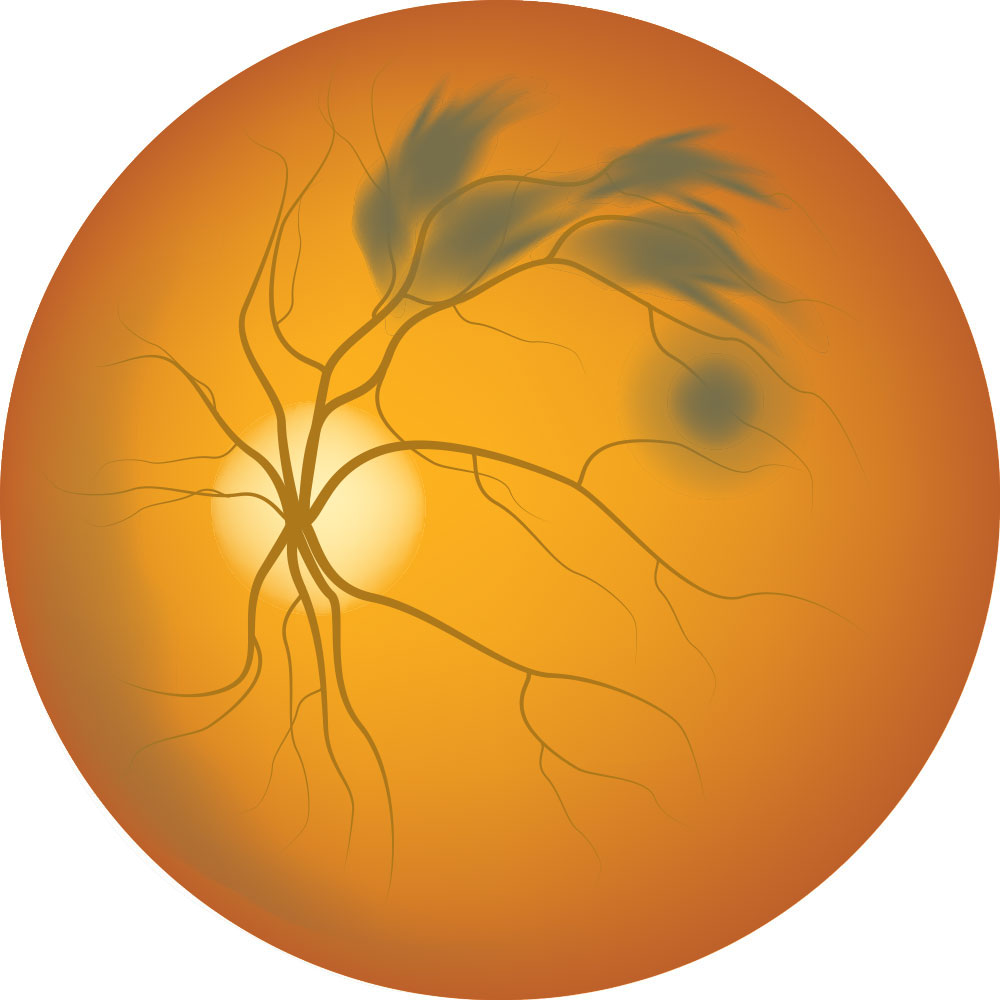
Retinal vascular occlusions occur when a retinal blood vessel becomes blocked.
Types include:
- Retinal vein occlusion (RVO)
- Retinal artery occlusion (RAO)
These conditions may cause sudden vision loss or visual distortion. Management depends on the underlying cause and associated retinal changes. Treatment such as lasers and intravitreal injections may be recommended.
Central Serous Chorioretinopathy (CSCR)
Central serous chorioretinopathy occurs when fluid accumulates under the retina, affecting the macula.
Patients may notice:
- Distorted central vision
- Blurred vision
- Objects appearing smaller than usual
Some cases resolve on their own, but cases require monitoring as some may persist and require further treatment.
Pachychoroid Spectrum Disease
Pachychoroid disease refers to a group of conditions involving changes in the choroid, the vascular layer beneath the retina.
These conditions may affect retinal function and may be associated with disorders such as CSCR. Careful retinal evaluation and imaging help guide management.
Diagnostic Assessment
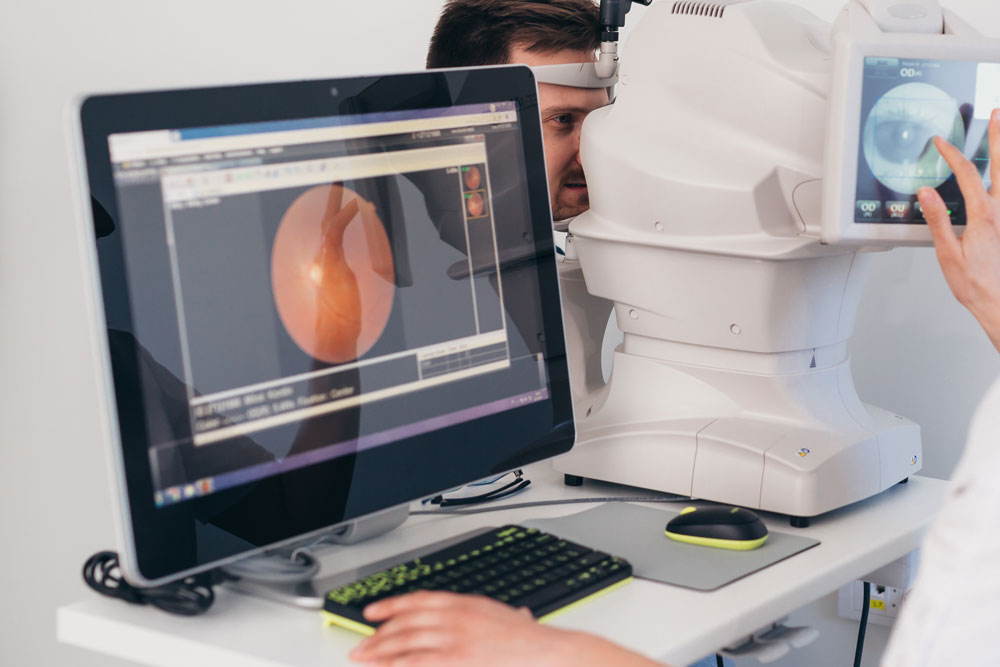
Medical retinal conditions are evaluated through a comprehensive eye examination and specialised imaging.
This may include:
These investigations help determine the underlying cause of visual symptoms and guide treatment decisions.
- Dilated retinal examination
- Optical coherence tomography (OCT) to evaluate the macula
- Retinal photography
- Injected dye or OCT angiography
- Visual acuity testing
Treatments for Medical Retinal Conditions
Treatment depends on the type of retinal disease and its effect on vision.
Intravitreal Injections
Intravitreal injections involve administering medication directly into the eye to treat retinal disease.
These medications may help:
- Reduce retinal swelling
- Control abnormal blood vessel growth
- Stabilise or improve vision in certain retinal conditions
The procedure is performed in an aseptic setting using local anaesthetic drops.
Conditions commonly treated with intravitreal injections include:
- Wet age-related macular degeneration
- Diabetic macular disease
- Retinal vein occlusion
Retinal Laser Therapy
Retinal laser treatment may be used to manage certain retinal conditions by applying controlled laser energy to specific areas of the retina.
Laser therapy may help:
- Seal leaking blood vessels
- Reduce retinal swelling
- Prevent progression of retinal disease
Laser treatment may be recommended for conditions such as diabetic retinopathy or retinal vascular disease.
When to Seek Assessment
Some retinal diseases develop gradually, while others may cause sudden visual symptoms. An eye assessment is recommended if you experience:
- Distortion of central vision
- Blurred or reduced vision
- Sudden visual changes
- Difficulty reading or focusing
Individuals with diabetes, high blood pressure or cardiovascular risk factors are encouraged to undergo regular eye examinations to monitor retinal health for early detection of any conditions.
- Your Retinal Specialist
Dr Helen Mi Fang

Book A Consultation
If you are experiencing changes in vision or have been diagnosed with a retinal condition, a comprehensive retinal evaluation can help determine the most appropriate management plan. Schedule an appointment with Claris Eye Centre for an eye assessment and discussion of available treatment options.