Pterygium
Table of Contents
Pterygium
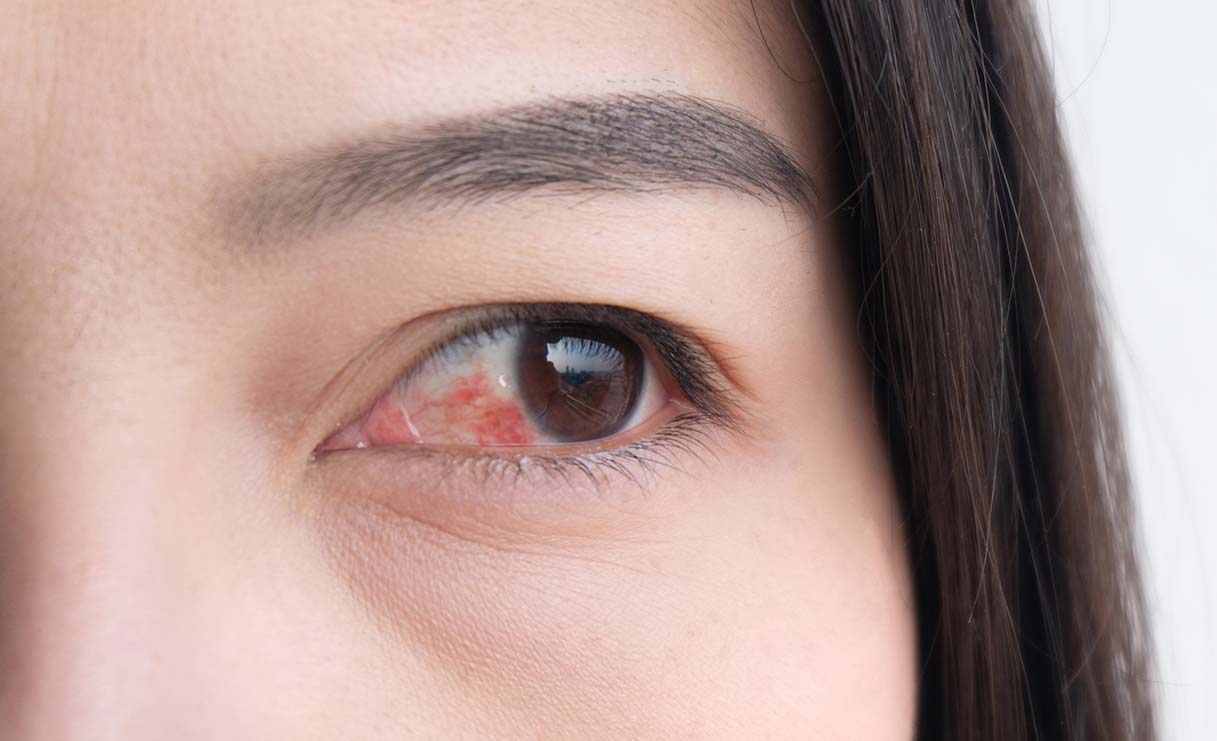
Pterygium is a common eye condition characterised by a growth of fleshy tissue on the white part of the eye (conjunctiva), which may extend onto the cornea. It is sometimes referred to as “surfer’s eye” due to its association with sun and environmental exposure.
In many cases, pterygium develops gradually and may remain small without affecting vision. However, in some individuals, the growth may enlarge over time and lead to irritation, redness or changes in vision.
Care focuses on monitoring the condition, managing associated issues and, where necessary, considering surgical treatment to remove the growth. At Claris Eye Centre, management is individualised based on the size of the pterygium, presence and severity of symptoms and each patient’s visual needs.
Care by Dr Helen Mi Fang
Assessment and management of contact lens–related eye conditions at Claris Eye Centre is provided by Dr Helen Mi Fang, Consultant Ophthalmologist and Medical Director.
Dr Helen evaluates patients with symptoms such as redness, pain, blurred vision and irritation associated with contact lens use. Examination includes assessment of the cornea, tear film and ocular surface to identify potential complications, and a thorough examination to rule out other possible conditions
Management plans are tailored according to the specific condition, severity of symptoms and each patient’s overall eye health.
Understanding Pterygium
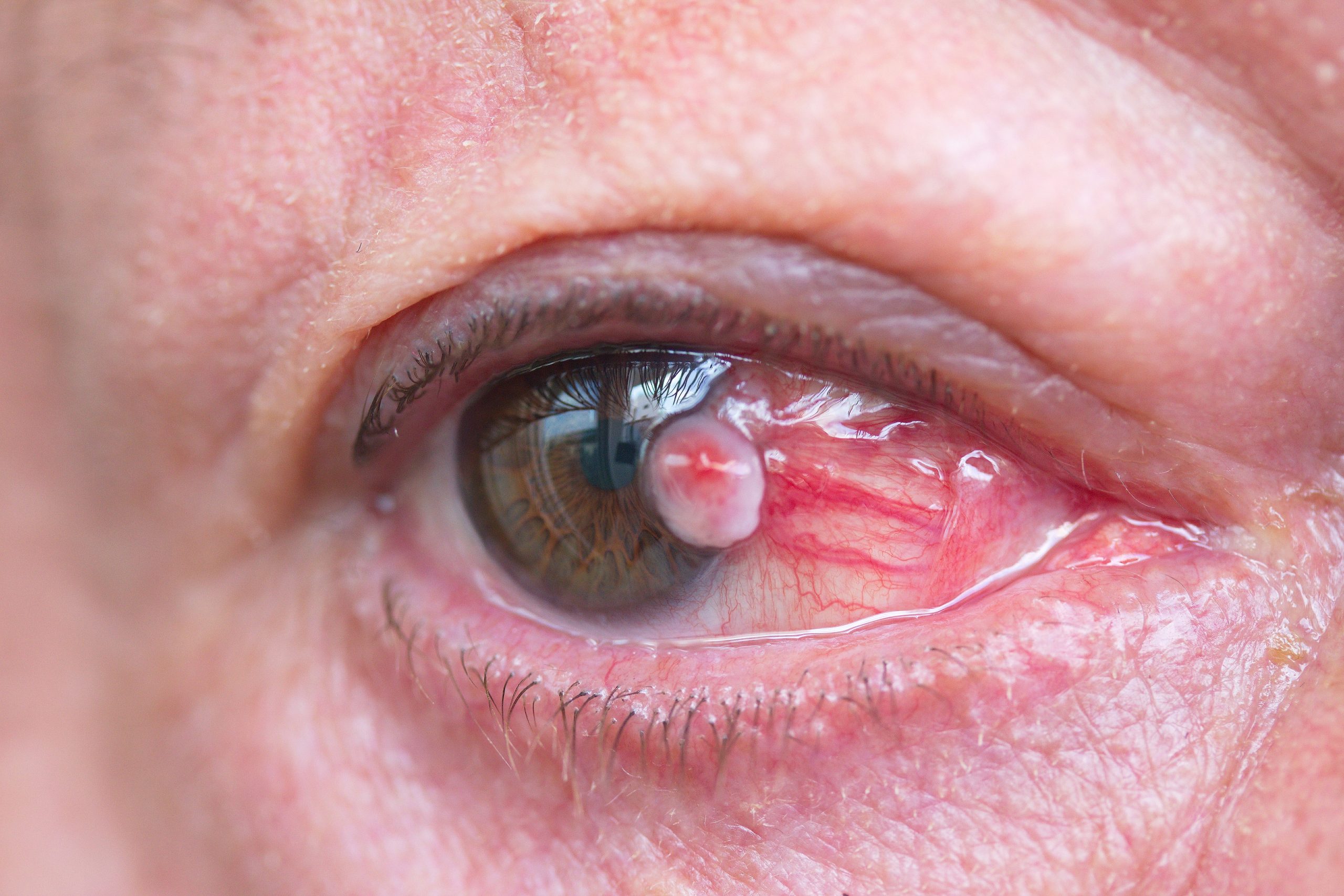
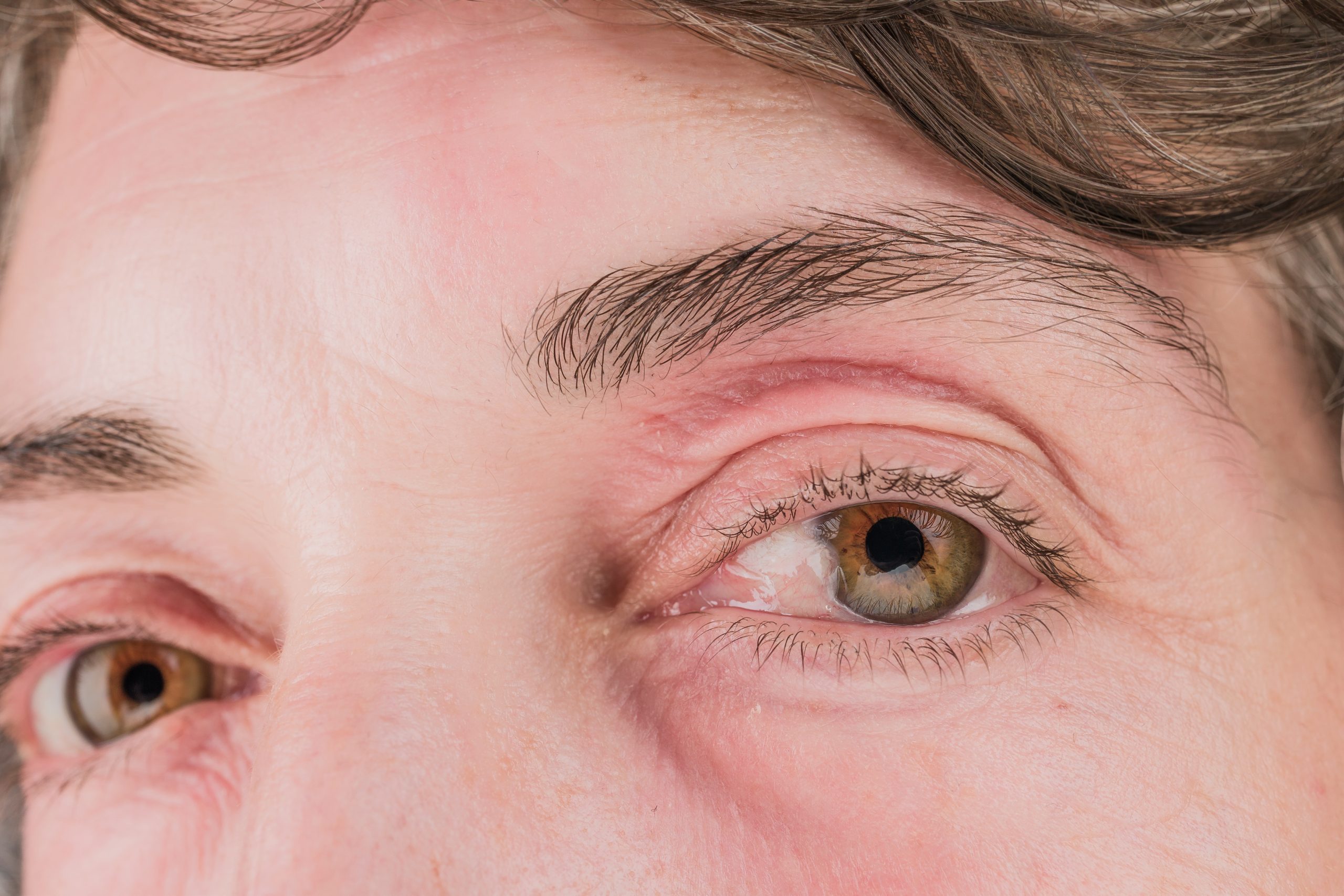
A pterygium is a benign growth of tissue that originates from the conjunctiva and may extend onto the cornea.
It typically appears as a triangular-shaped growth on either the inner (nasal) side of the eye, or on the outer (temporal) side of the eye.
In early stages, pterygium may cause minimal symptoms. As it enlarges, it may:
- Irritate the surface of the eye
- Cause redness or inflammation
- Affect the shape of the cornea resulting in astigmatism
- Lead to blurred or blocked vision
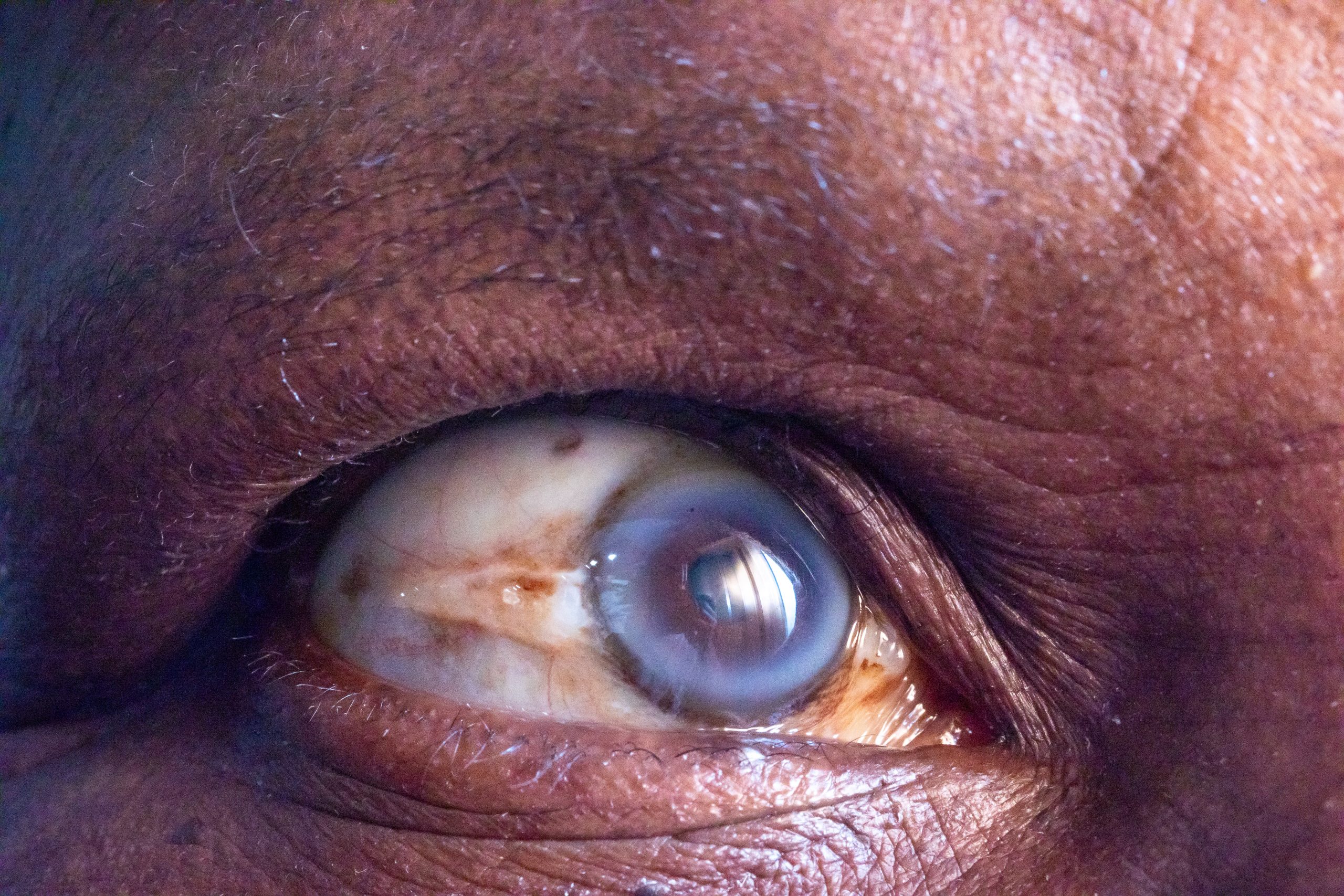
In more advanced cases, the growth may extend towards the central cornea and interfere with vision.
Symptoms of Pterygium
Symptoms may vary depending on the size and progression of the pterygium.
Common symptoms include:
- Redness of the eye
- Eye irritation or discomfort
- Dryness or gritty sensation
- Burning or stinging sensation
- Blurred or fluctuating vision
- Cosmetic concern due to visible growth
Symptoms may become more noticeable in dry, windy or sunny environments.
Causes and Risk Factors
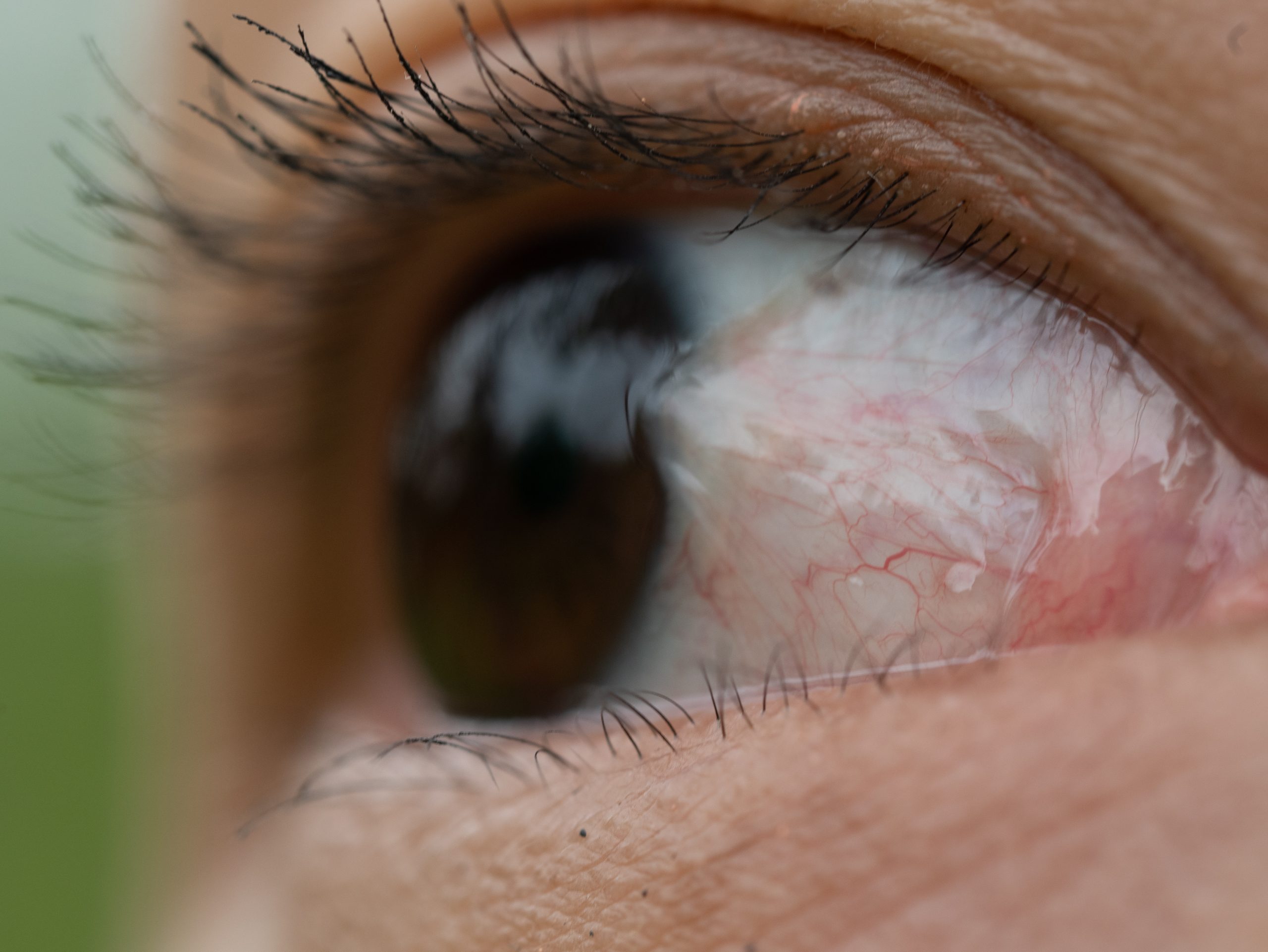
The exact cause of pterygium is not fully understood, but it is commonly associated with environmental exposure.
Factors that may increase the risk include:
- Prolonged exposure to ultraviolet (UV) light
- Outdoor work or activities
- Dry or dusty environments
- Wind exposure
- Chronic eye irritation
Pterygium is more commonly seen in individuals living in sunny climates, including Singapore.
When is Treatment Needed?
Not all pterygium requires treatment. In many cases, the condition may be monitored if symptoms are mild and vision is not affected.
Treatment may be considered if:
- Symptoms such as irritation or redness are persistent
- The pterygium is increasing in size
- Vision becomes affected
- The growth approaches the central cornea
- There are cosmetic concerns
- Retinal angiograms
- Additional investigations where indicated
An eye assessment helps determine whether monitoring or treatment is appropriate.
Management Options for Pterygium
Management depends on the severity of symptoms and the extent of the growth.
Lubricating Eye Drops
Lubricating eye drops may be used to relieve dryness and irritation associated with pterygium.
These help improve comfort by supporting the tear film on the eye surface.
Anti-inflammatory Medications
In some cases, medications may be prescribed to reduce inflammation and redness.
These are typically used for short-term symptom control.
Pterygium Surgery
Surgical removal may be considered if the pterygium is affecting vision, increasing in size or causing significant discomfort.
Pterygium surgery involves removing the abnormal tissue from the eye surface. In most cases, a conjunctival graft is used to reduce the risk of recurrence.
The decision for surgery is based on clinical findings and individual patient needs.
Symptoms That Should Be Evaluated
An eye assessment may be recommended if you experience:
- Persistent redness or irritation
- A visible growth on the eye
- Increasing size of the growth
- Blurred or blocked vision
- Ongoing discomfort despite using eye drops
Early evaluation allows appropriate management to be considered.
Assessment of Pterygium
A comprehensive eye examination is required to assess pterygium and its impact on the eye.
Assessment may include:
- Visual acuity testing
- Slit-lamp examination of the eye surface
- Measurement of the size and extent of the pterygium
- Evaluation of the cornea and tear film
These findings help guide treatment recommendations.
- Your Retinal Specialist
Dr Helen Mi Fang

Book A Consultation
If you have noticed a growth on your eye or are experiencing persistent redness or irritation, an eye assessment may help determine whether pterygium is present and whether treatment is required.
Schedule an appointment with Claris Eye Centre for a comprehensive evaluation and discussion of appropriate management options.