
Dry Eyes
Table of Contents

Dry Eyes
Dry eye is a common condition that occurs when the eyes do not produce enough tears, or when the tears evaporate too quickly. Tears play an important role in maintaining the health of the eye surface and keeping vision clear and comfortable.
When the tear film becomes unstable, the surface of the eye may become irritated or inflamed. This can lead to symptoms such as dryness, discomfort, fluctuating vision, and sensitivity to light or even pain.
Dry eye care focuses on identifying the underlying cause of symptoms and providing treatment to improve tear stability and support long-term eye surface health. At Claris Eye Centre, management plans are individualised based on the severity of symptoms, underlying causes, and each patient’s overall eye health.
Care by Dr Helen Mi Fang
Assessment and management of intraocular inflammation at Claris Eye Centre is provided by Dr Helen Mi Fang, Consultant Ophthalmologist and Medical Director.
Dr Helen evaluates patients with symptoms such as eye redness, pain, light sensitivity and blurred vision. Care involves a detailed eye examination and may include diagnostic imaging to assess inflammation affecting the retina or vitreous. Some blood tests or scans may be performed as well depending on the patient’s condition.
Management plans are individualised according to the location of inflammation, underlying cause and each patient’s overall eye health.
Understanding Dry Eye
The tear film is made up of three layers — oil, water and mucus — which work together to protect the surface of the eye and maintain clear vision.
Dry eye can occur when:
- The eyes do not produce enough tears
- Tears evaporate too quickly
- The tear film becomes unstable
When this balance is disrupted, the surface of the eye may become irritated, resulting in dryness and discomfort.
Dry eye may be temporary for some individuals, but for others it can be a long-term condition that requires ongoing management.

Symptoms of Dry Eye
Dry eye symptoms can vary between individuals and may affect one or both eyes.
Common symptoms include:
- Dryness or irritation in the eyes
- Burning or stinging sensation
- Gritty or sandy feeling in the eyes
- Redness of the eyes
- Blurred or fluctuating vision
- Sensitivity to light
- Watery eyes
Often, symptoms may worsen during activities that require prolonged visual focus, such as reading, computer use or using digital devices.

Factors That May Contribute to Dry Eye
Several factors may increase the likelihood of developing dry eye.
These include:
- Ageing
- Hormonal changes
- Prolonged screen use
- Contact lens wear
- Environmental factors such as air-conditioning or wind
- Certain medications
- Underlying medical conditions affecting tear production
Management Options for Dry Eye
Treatment for dry eye depends on the underlying cause and severity of symptoms. In many cases, a combination of approaches may be recommended.
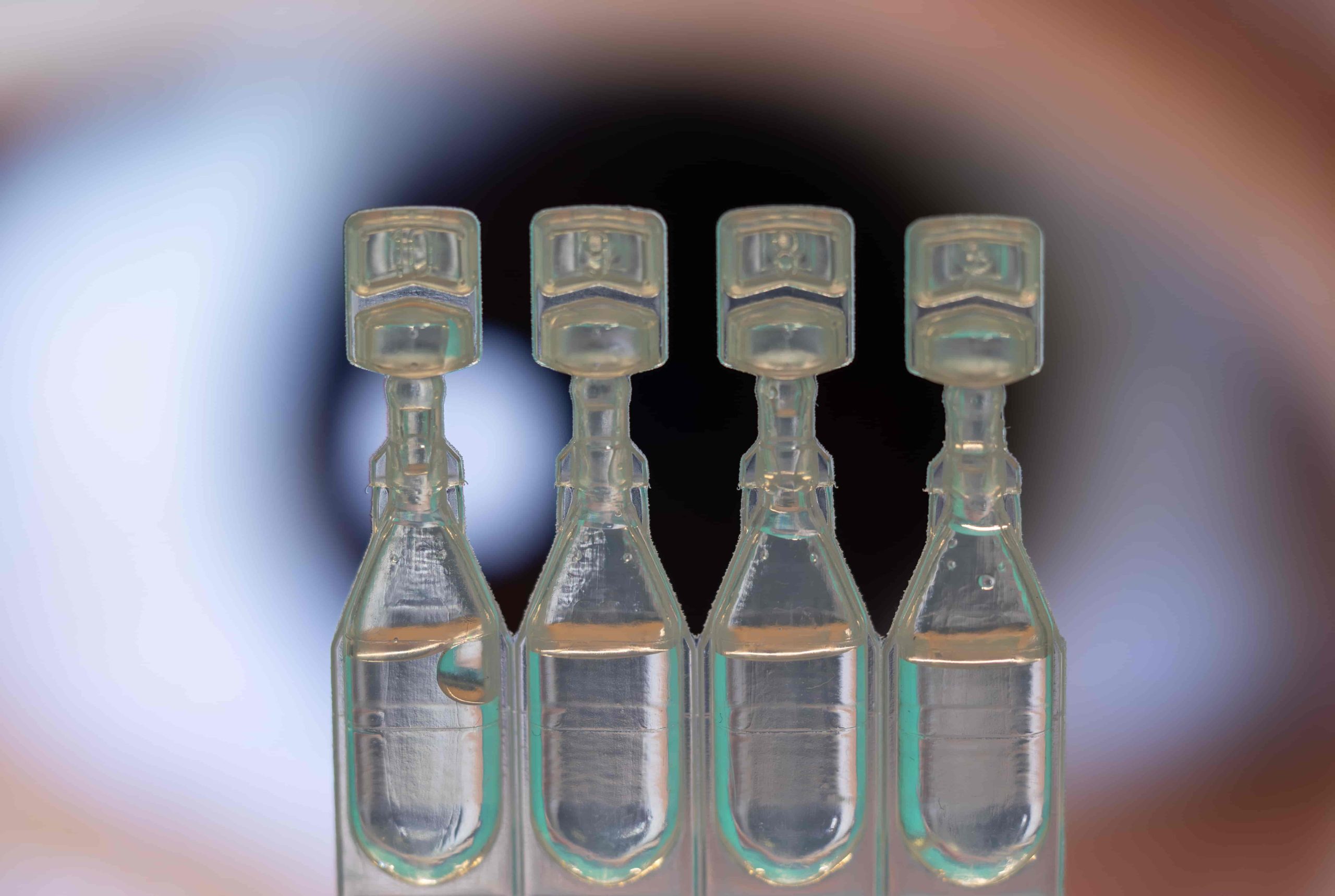
Artificial Tears and Lubricating Eye Drops
Lubricating eye drops may be used to supplement natural tears and improve moisture on the surface of the eye. These drops can help relieve dryness and support tear film stability.
Different formulations may be recommended depending on the severity of symptoms.
Eyelid and Meibomian Gland Care
The oil layer of the tear film helps prevent tears from evaporating too quickly. When the oil-producing glands in the eyelids become blocked or inflamed, tear evaporation may increase.
Management may include:
- Warm compresses
- Eyelid hygiene
- Treatments aimed at improving gland function
These measures help support tear film stability.
Prescription Medications
In some cases, medications may be recommended to reduce inflammation on the surface of the eye and improve tear production.
These treatments are prescribed based on the underlying cause of dry eye and the severity of symptoms.
Punctal Plugs
Punctal plugs are small medical devices that may be placed in the tear drainage ducts to help retain tears on the surface of the eye.
This treatment may be considered in selected cases where tear retention may improve eye lubrication.
Symptoms That Should Be Evaluated
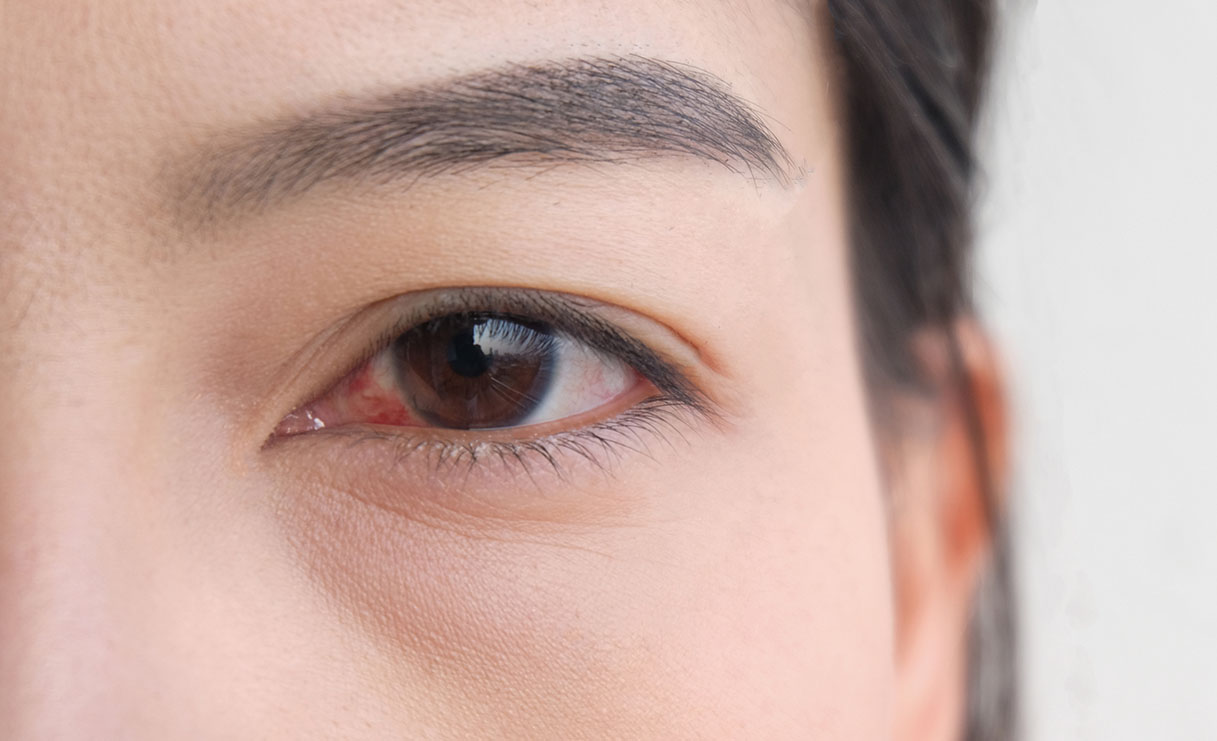
Persistent or worsening eye discomfort may indicate dry eye or another ocular surface condition.
An eye assessment may be recommended if you experience:
- Ongoing dryness or irritation
- Frequent redness of the eyes
- Blurred or fluctuating vision
- Sensitivity to light
- Eye discomfort during prolonged screen use
Assessment of Dry Eye
A comprehensive eye examination is required to evaluate dry eye and determine possible underlying causes.
Assessment may include:
- Evaluation of tear film stability
- Examination of the ocular surface
- Assessment of eyelid and meibomian gland function
- Measurement of tear production
- Slit-lamp examination of the eye
- Your Retinal Specialist
Dr Helen Mi Fang

Book A Consultation
If you are experiencing persistent eye dryness, irritation or fluctuating vision, an eye assessment may help determine the underlying cause.
Schedule an appointment with Claris Eye Centre for a comprehensive evaluation and discussion of appropriate management options.