
Table of Contents
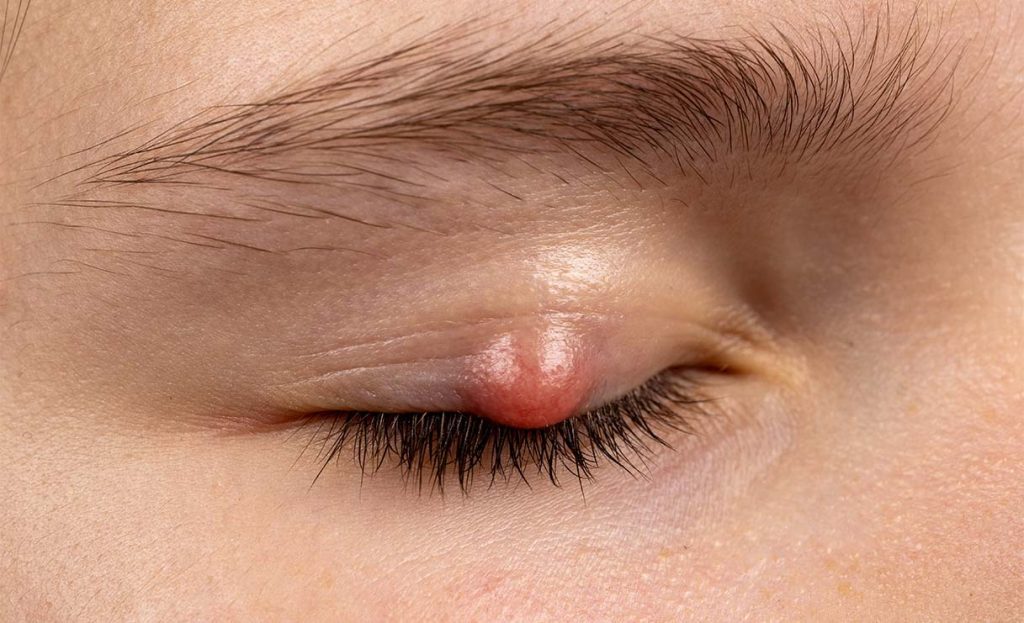
Chalazion & Eye Infections
Eyelid swellings are a common condition that may present as a lump, redness or tenderness along the eyelid. These are often caused by blockage or inflammation of the oil glands within the eyelids, and in some cases, may be associated with infection.
Common causes of eyelid swelling are chalazion and eyelid infections such as styes (hordeolum). These are usually associated with other eyelid disorders such as eyelid gland dysfunction.
At Claris Eye Centre, assessment focuses on identifying the cause of the eyelid condition and recommending appropriate management based on the severity of symptoms and response to initial treatment.
Care by Dr Helen Mi Fang
Assessment and management of eyelid conditions at Claris Eye Centre is provided by Dr Helen Mi Fang, Consultant Ophthalmologist.
Consultation starts by understanding the clinical progression and patient’s symptoms, followed by a detailed examination. This includes an assessment of the eyelid margins, oil glands and ocular surface to determine the best course of action.
Management plans are tailored according to the type of eyelid condition, severity of symptoms and each patient’s overall eye health.
Understanding Chalazion
A chalazion is a painless lump on the eyelid caused by blockage of a meibomian (oil) gland.
When the gland becomes blocked, oil may accumulate within the eyelid, forming a firm swelling. Chalazia typically develop gradually and may persist for several weeks if untreated.
Common features of a chalazion include:
- A painless lump on the eyelid
- Mild swelling of the eyelid
- Localised eyelid thickening
- Occasional blurred vision if the lump presses on the eye
Understanding Eyelid Infections (Stye / Hordeolum)
A stye, also known as a hordeolum, is an acute infection of the oil glands or hair follicles of the eyelid.
Unlike a chalazion, a stye often develop more rapidly.
Symptoms may include:
- A tender or painful lump on the eyelid
- Redness and swelling
- Warmth over the affected area
- Pus formation or discharge in some cases
- Tearing or irritation of the eye
Styes may occur on the outer or inner part of the eyelid margin.
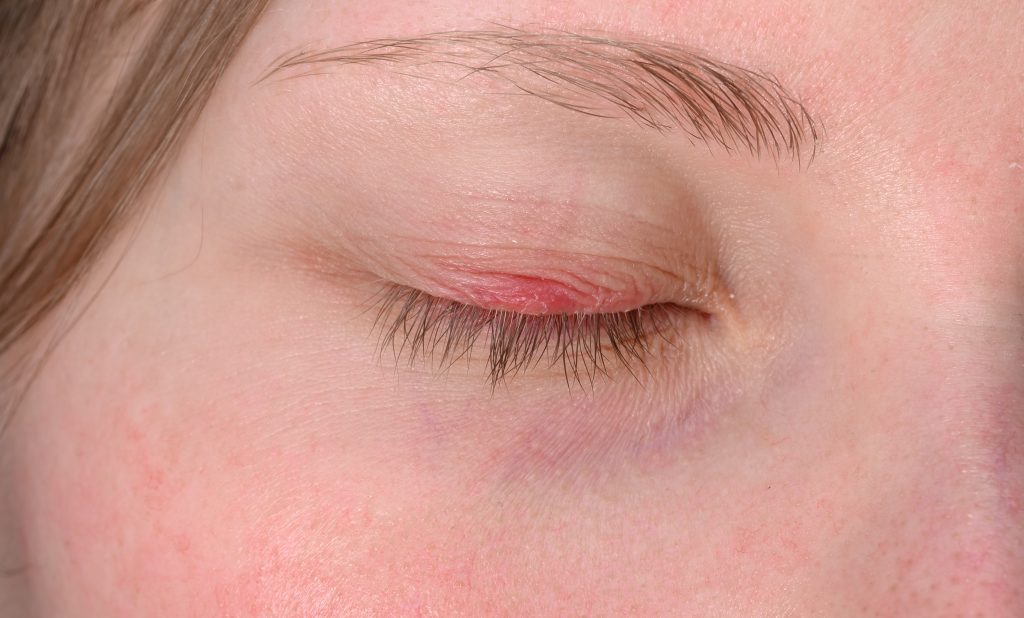
Factors That May Contribute to Eyelid Conditions
Certain factors may increase the likelihood of developing chalazia or eyelid infections.
These include:
- Meibomian gland dysfunction
- Blepharitis (eyelid inflammation)
- Oily skin conditions such as rosacea
- Poor eyelid hygiene
- Contact lens wear
- Previous history of similar eyelid lumps
Addressing underlying factors may help with resolution and reduce recurrence.
Assessment of Eyelid Conditions
A clinical examination is required to assess eyelid lumps and determine whether they are inflammatory or infective.
Assessment may include:
- Examination of the eyelid and gland openings
- Evaluation of the eyelid margins
- Assessment of the ocular surface
- Identification of underlying conditions such as blepharitis
Management Options for Chalazion and Eyelid Infections
Treatment depends on the type of eyelid condition and severity of symptoms.
Warm Compresses
Warm compresses may help unblock the oil glands and promote drainage.
This is often recommended as an initial treatment for both chalazion and styes.
Eyelid Hygiene
Maintaining eyelid hygiene may help reduce inflammation and prevent recurrence.
This may include gentle cleansing of the eyelid margins using lid wipes or cleansers, and regular lubrication of the eye to stabilise tear film.
Medications
In cases of infection or significant inflammation, medications such as antibiotic or anti-inflammatory treatments may be prescribed.
Treatment is tailored based on clinical findings.
Minor Procedures
If a chalazion or stye persists or does not respond to conservative treatment, a minor procedure may be considered to drain the lesion.
This is typically performed under local anaesthesia as an outpatient procedure.
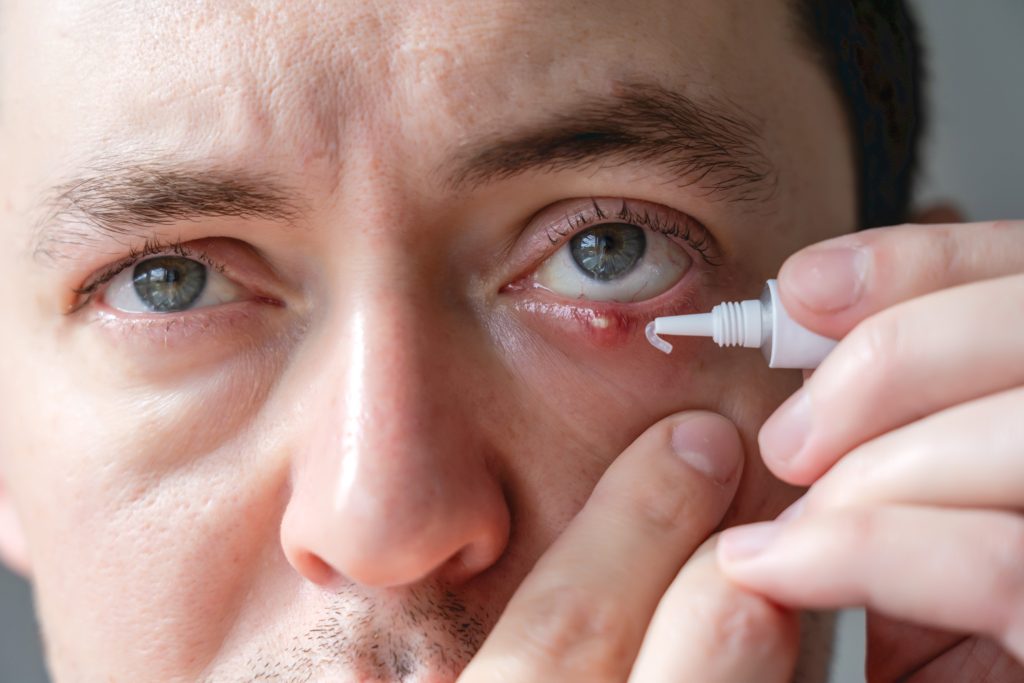
Symptoms That Should Be Evaluated
While many eyelid lumps are benign, an eye assessment may be recommended if you experience:
- A persistent eyelid lump that does not improve
- Increasing pain or swelling
- Recurrent eyelid lumps
- Changes in vision
- Uncertainty about the nature of the eyelid condition
- Your Retinal Specialist
Dr Helen Mi Fang

Book A Consultation
If you have a persistent eyelid lump, swelling or discomfort, an eye assessment may help determine the underlying cause.
Schedule an appointment with Claris Eye Centre for a comprehensive evaluation and discussion of appropriate management options.