
Table of Contents
Cataracts & Lens-related Surgery
Cataracts are one of the most common causes of gradual vision loss, typically with age. Modern cataract surgery is a commonly performed procedure that aims to restore clarity of vision, optimize refractive outcomes, and improve day-to-day visual function for better quality of life.
At Claris Eye Centre, cataract surgery options are carefully discussed with patients, and is tailored to each individual’s eye condition, lifestyle needs and visual goals.
Care by Dr Helen Mi Fang
Cataract surgery at Claris Eye Centre is provided by Dr Helen Mi Fang, an ophthalmologist highly experienced in various types of cataract surgery, including advanced and complex cataracts, and various surgical techniques. She is also a vitreo-retinal surgeon and medical retinal specialist with sub-specialty experience in handling cataract surgery-related complications.
Dr Helen evaluates patients with cataracts and other lens-related conditions and discusses suitable surgical options based on the patient’s overall eye health, other existing ocular diseases, lifestyle needs and visual requirements. This includes a detailed assessment of intraocular lens options and careful planning to optimize visual recovery and effective surgical outcomes.
Each patient undergoes a detailed eye examination and pre-operative evaluation to determine the most appropriate surgical approach and desired outcomes.
What Are Cataracts?
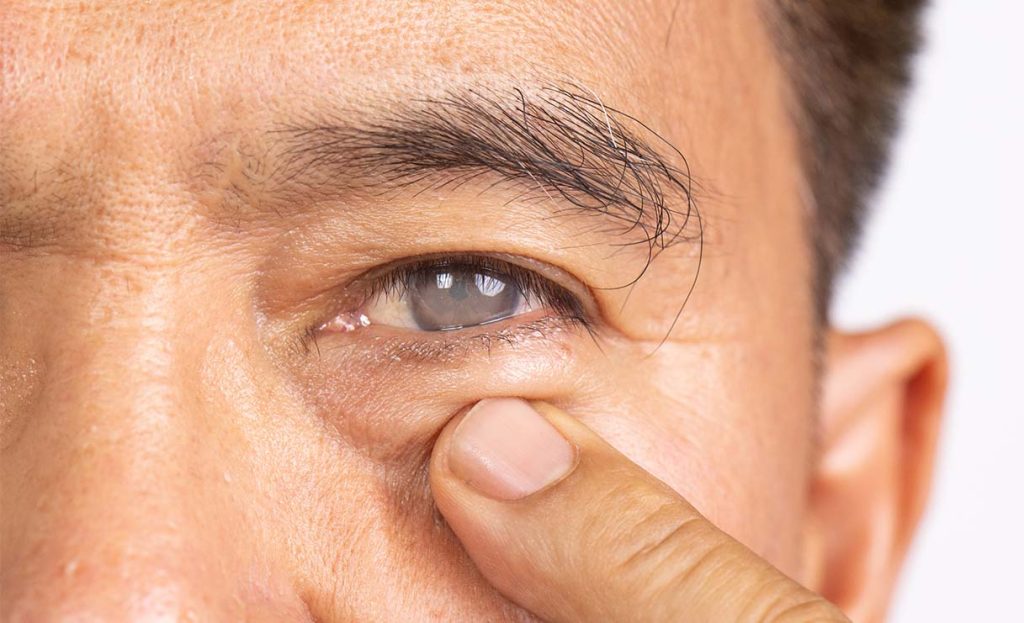
A cataract is a clouding of the natural lens inside the eye. The lens helps to focus light onto the retina. When it becomes cloudy, vision may become:
- Blurry or hazy
- Glare-sensitive (in varied lightings)
- Duller in colour perception
- More dependent on brighter lighting
- Unusual increase or fluctuations of eye degrees
Cataracts typically develop gradually. Surgery can be considered when the patient’s quality of vision is affected, or if there are any other cataract-related ocular conditions.
When Is Surgery Needed?
Cataract surgery may be recommended when:
- Vision affects daily activities (e.g. reading, driving, work)
- There is significant glare or reduced contrast sensitivity
- The cataract interferes with monitoring or treating other eye conditions (e.g. retinal disease)
- There is a medically significant cataract (e.g. lens-induced pressure issues)
The decision for surgery is individualised and based on clinical findings and functional needs. A comprehensive eye assessment and consultation will help determine suitability.
How Cataracts Are Diagnosed
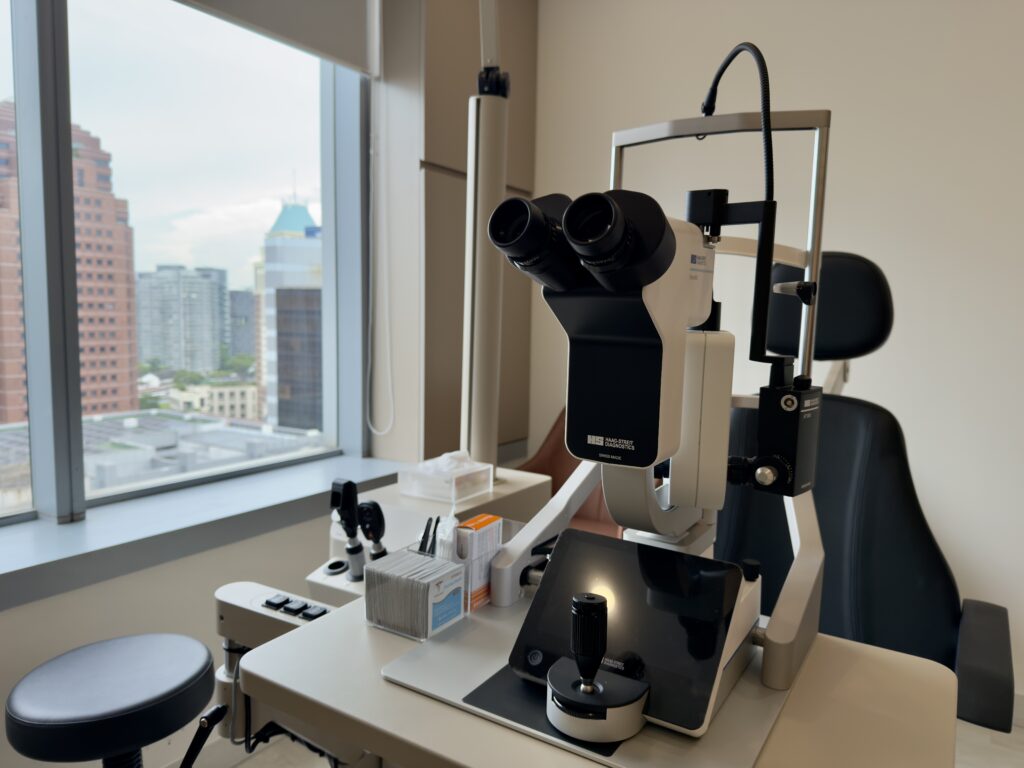
Cataracts are diagnosed through a comprehensive eye examination.
This may include:
- Visual acuity testing to assess clarity of vision
- Slit-lamp examination to examine the lens and front structures of the eye
- Dilated eye examination to evaluate the retina and optic nerve
- Intraocular pressure measurement
- Ocular imaging or biometry measurements if surgery is being considered
- Further diagnostic testing if premium lenses are a consideration to determine suitability
If cataract surgery is appropriate, additional measurements are performed to calculate the most suitable intraocular lens (IOL) power.
What to Expect?
Cataract surgery is usually performed as a day procedure.
- Detailed eye examination and measurements
- Discussion of intraocular lens (IOL) options
- Review of medical history and medications
- Pre-operative assessment to ensure fitness for surgery
- Anesthesia, typically sedation with local anesthesia
- Small incision technique
- Removal of the cloudy lens using latest updated technology (usually ultrasound assisted)
- Insertion of a clear artificial intraocular lens
- Use of prescribed eye drops
- Follow-up visits to monitor healing
- Gradual stabilisation of vision over several weeks
Most patients are able to resume light daily activities shortly after surgery within 1-2 weeks, depending on individual recovery.
Cataract Types (Including Complex Cataracts)
Cataracts vary in appearance and complexity. These may include:
- Age-related cataracts
- Posterior subcapsular cataracts
- Nuclear sclerosis
- Cortical cataracts
- Posterior polar cataracts
- Anterior subcapsular cataracts
- Dense or mature cataracts
- Traumatic cataracts
- Cataracts in highly myopic eyes
- Cataracts associated with retinal disease or prior eye surgery
- Cataracts related to other medical conditions eg. Eczema
- Displaced or dislocated cataracts
Certain types of cataracts and complex cataracts may require modified surgical techniques or additional planning.
Surgical Techniques
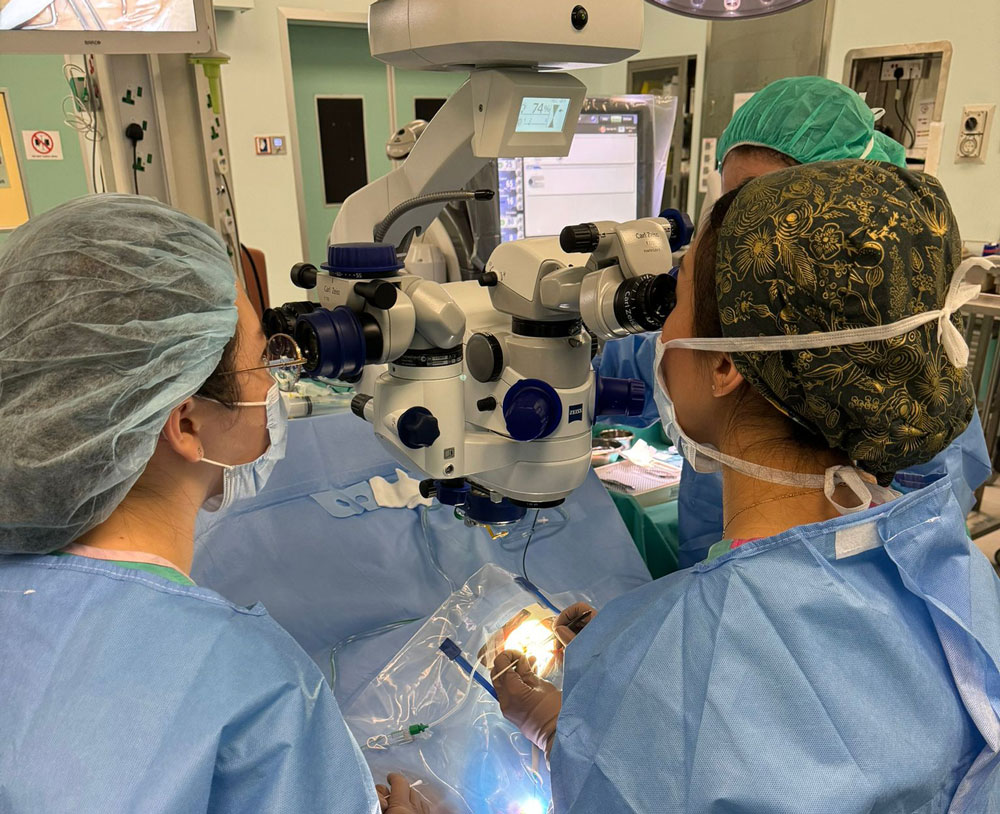
Modern cataract surgery is typically performed using minimally invasive techniques designed to improve precision and safety.
Phacoemulsification
Phacoemulsification is the standard technique used in most cataract surgeries.
It involves:
- Using ultrasound energy to break up the cloudy lens
- Removing it through a small incision
- Implanting a foldable intraocular lens
This technique allows for smaller incisions that is typically sutureless (no-stitch) and generally faster recovery.
Femtosecond Laser Cataract Surgery
Femtosecond laser–assisted cataract surgery uses computer-guided laser technology to assist certain steps of the procedure, such as:
- Creating corneal incisions
- Opening the lens capsule
- Softening and segmenting the cataract
Extracapsular Cataract Extraction (ECCE)
ECCE is a traditional method of cataract removal, with a larger incision and the cataract is removed in totality. This is usually reserved for very dense cataract where ultrasound surgery is deemed to be high risk.
Suitability depends on individual eye characteristics and clinical assessment.
Intraocular Lens (IOL) Options
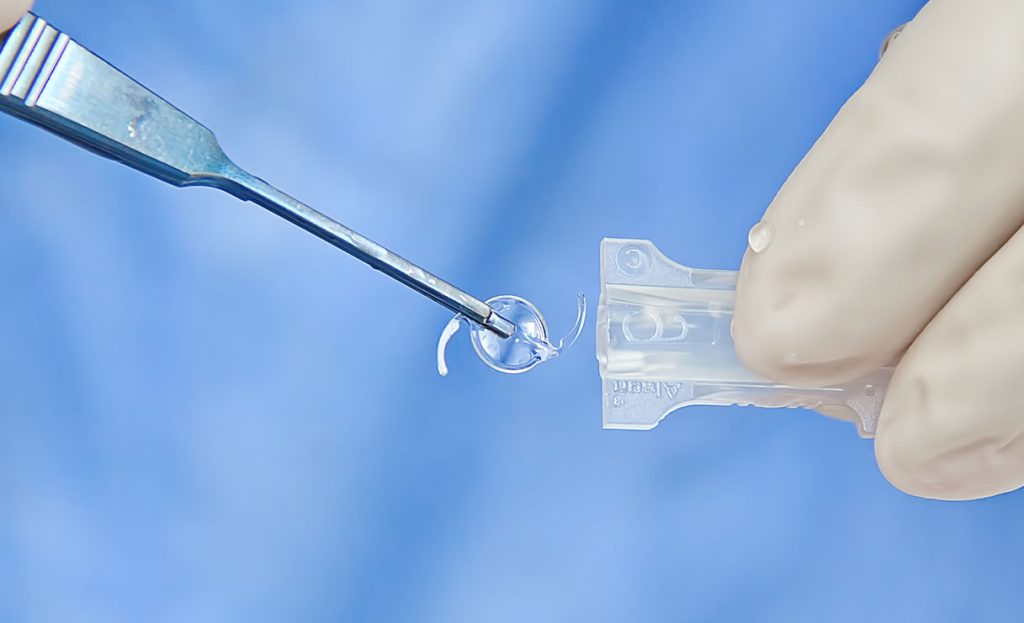
After removal of the natural lens, an artificial intraocular lens is implanted. Different lens options are available depending on the suitability and needs of the individual.
Monofocal IOL
Designed to provide clear vision at one focal distance (distance or near). Spectacles may still be required for near tasks. Certain types of monofocal IOL (enhanced monofocal IOL) provides slightly improved intermediate range compared to conventional monofocal IOL.
Toric IOL
Designed for patients with corneal astigmatism to reduce dependence on corrective lenses for astigmatism post-operatively.
Presbyopia-Correcting Options and IOLs
These lenses aim to provide a broader range of vision.
Options may include:
- Monovision (one eye focused for distance, the other for near)
- Multifocal IOLs
- Extended Depth of Focus (EDoF) IOLs
Each option has its own benefits and trade-offs. A detailed discussion will help determine the most appropriate choice based on visual needs and eye health.
Post-Cataract Treatments
In some cases, additional treatments may be required after cataract surgery at a later date.
YAG Capsulotomy
Months or years after surgery, some patients develop posterior capsule opacification (PCO), sometimes referred to as a “secondary cataract”.
YAG laser capsulotomy is:
- A non-invasive laser procedure
- Performed in the outpatient or day surgery setting
- Designed to restore clarity by creating a small opening in the cloudy capsule
Making an Informed Decision
Cataract surgery is an elective procedure in most cases. The goal is to improve visual function and quality of life when vision becomes limited by lens opacity.
A thorough consultation allows for:
- Assessment of cataract severity
- Review of retinal or other eye conditions
- Discussion of risks, benefits and alternatives
- Personalised lens selection
Medisave & Insurance
Cataract surgery is generally Medisave claimable under prevailing Ministry of Health (MOH) guidelines. Certain selected eye procedures may also be eligible for Medisave use, depending on medical indication.
The amount claimable is subject to:
- MOH regulations
- Surgical complexity
- Type of procedure performed
Our clinic can assist patients with Medisave submissions where applicable.
Many Integrated Shield Plans and private insurance policies provide coverage for cataract surgery. Coverage terms vary according to individual policy conditions and insurer requirements.
- Your Retinal Specialist
Dr Helen Mi Fang

Book A Consultation
If you are experiencing blurred vision, glare, or changes in visual clarity, an eye assessment can help determine whether cataracts are contributing to your symptoms.
Schedule an appointment with Claris Eye Centre to discuss your options and receive an individualised treatment plan.