
Table of Contents
Contact Lens-related Problems
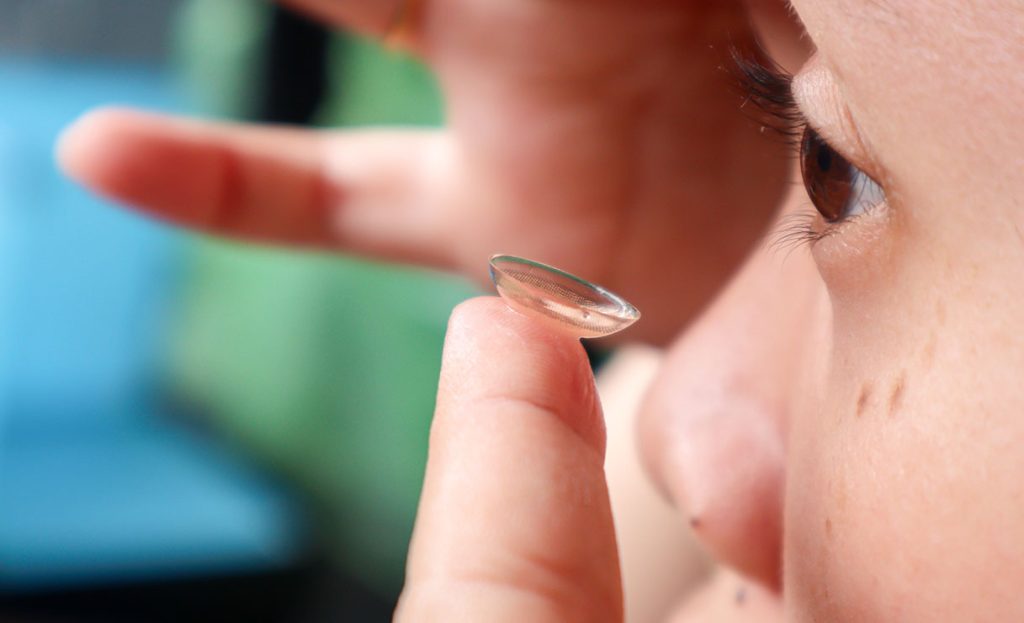
Contact lenses are commonly used for vision correction and convenience. While they are generally safe when used appropriately, improper use or lens-related complications may affect the surface of the eye and lead to discomfort or infection.
Contact lens–related eye problems can range from mild irritation and dryness to more serious conditions such as corneal infections. Early recognition of symptoms and appropriate management are important to protect eye corneal health and vision.
At Claris Eye Centre, assessment focuses on a detailed understanding of the patient’s contact lens habits, and tailoring treatment based on each individual’s condition and needs.
Care by Dr Helen Mi Fang
Assessment and management of contact lens–related eye conditions at Claris Eye Centre is provided by Dr Helen Mi Fang, Consultant Ophthalmologist and Medical Director.
Dr Helen evaluates patients with symptoms such as redness, pain, blurred vision and irritation associated with contact lens use. Examination includes assessment of the cornea, tear film and ocular surface to identify potential complications, and a thorough examination to rule out other possible conditions
Management plans are tailored according to the specific condition, severity of symptoms and each patient’s overall eye health.
Common Contact Lens–Related Problems
Contact lens use can result in several eye conditions, particularly when lenses are worn for prolonged periods or not properly maintained.

Dry Eye and Contact Lens Discomfort
Contact lenses may affect the stability of the tear film, leading to dryness and discomfort.
Symptoms may include:
- Dry or tired eyes
- Gritty or sandy sensation
- Blurred or fluctuating vision
- Discomfort with prolonged lens wear
This is one of the most common issues experienced by contact lens users, especially with prolonged use.
Allergic Conjunctivitis
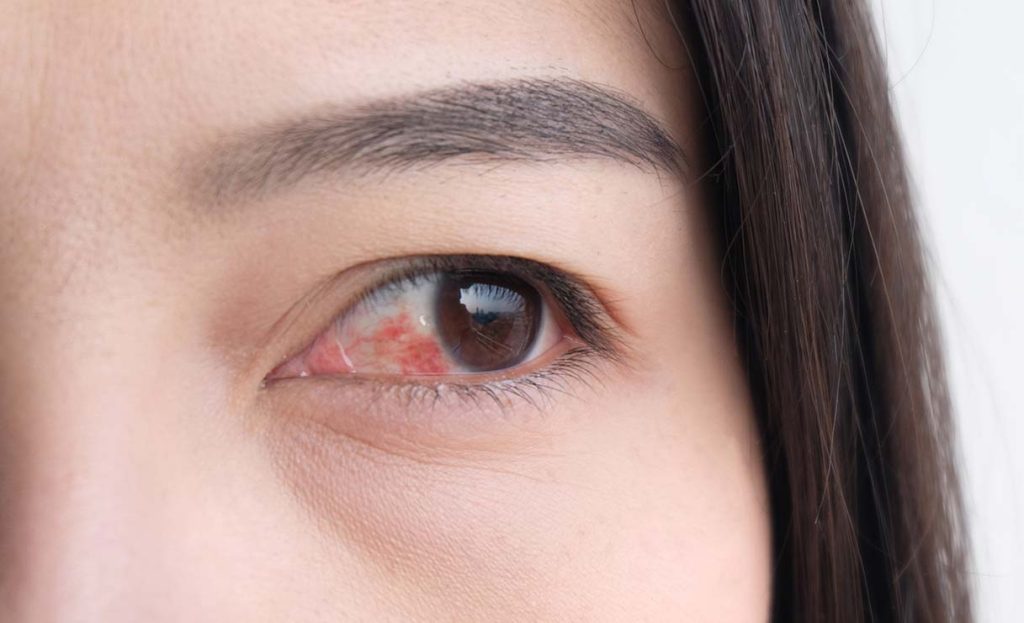
Some individuals may develop irritation or allergic reactions related to contact lens wear, lens deposits or lens solutions.
Symptoms may include:
- Redness of the eyes
- Itching or irritation
- Watery eyes
- Mucus discharge
Corneal Abrasion
A corneal abrasion is a scratch on the surface of the eye, which may occur due to improper lens handling or damaged lenses.
Symptoms may include:
- Sharp eye pain
- Tearing
- Sensitivity to light
- Foreign body sensation
Contact Lens–Related Keratitis (Corneal Infection) / Corneal Ulcer
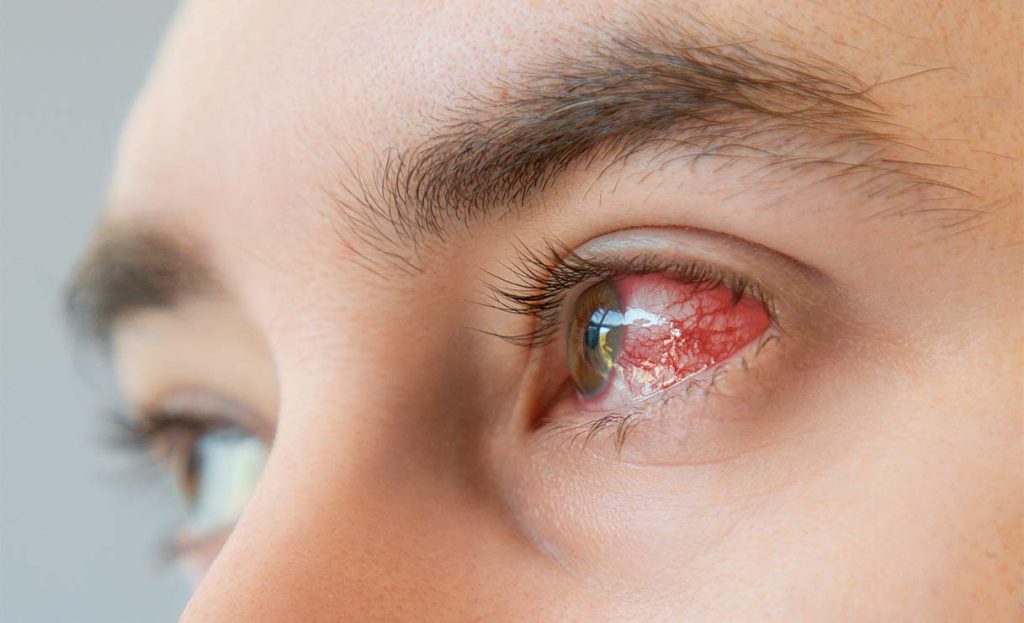
Keratitis is an infection or inflammation of the cornea and is one of the more serious complications associated with contact lens wear. It can be associated with a corneal ulcer if not treated early.
Risk factors include prolonged wear, overnight lens wear, poor hygiene and exposure to water while wearing lenses.
Symptoms may include:
- Eye pain
- Redness
- A visible white spot on the cornea in some cases
- Blurred or reduced vision
- Sensitivity to light
- Discharge
Urgent evaluation is required in such cases.
Common Causes and Risk Factors

Certain habits and environmental factors may increase the risk of contact lens–related problems.
These include:
- Overnight or prolonged lens wear
- Poor contact lens hygiene
- Not replacing lenses as recommended
- Exposure to water (e.g. swimming or showering with lenses)
- Using expired or contaminated lens solutions
- Wearing lenses despite eye irritation or infection
Adhering to proper lens care practices may help reduce these risks.
Symptoms That Should Be Evaluated Promptly
An eye assessment is recommended if you experience any of the following while wearing contact lenses:
- Persistent redness or irritation
- Eye pain or discomfort
- Blurred or reduced vision
- Sensitivity to light
- Discharge from the eye
- Difficulty tolerating contact lenses
Contact lens wear should be discontinued until the eye has been assessed.
Management of Contact Lens–Related Problems
Management depends on the underlying condition and severity of symptoms.
Initial steps often include discontinuing contact lens wear to allow the eye to recover.
Treatment may include:
- Lubricating eye drops to improve comfort and optimise surface
- Medications to treat inflammation or infection
- Adjustment of contact lens type or wearing schedule
- Recommendations on lens hygiene and care practices
Your eye specialist will advise on when it is safe to resume contact lens use.
Assessment of Contact Lens–Related Conditions
A comprehensive eye examination is required to evaluate contact lens–related problems.
Assessment may include:
- Visual acuity testing
- Slit-lamp examination of the cornea and ocular surface
- Assessment of tear film stability
- Staining of corneal surface with special dye to look for evidence of ulcer
- Evaluation for signs of infection or inflammation
These findings help guide treatment and determine when contact lens wear may be resumed.
- Your Retinal Specialist
Dr Helen Mi Fang

Book A Consultation
If you are experiencing eye discomfort, redness or vision changes related to contact lens use, an eye assessment is recommended.
Schedule an appointment with Claris Eye Centre for a comprehensive evaluation and discussion of appropriate management options.