
Uveitis
Table of Contents
Uveitis
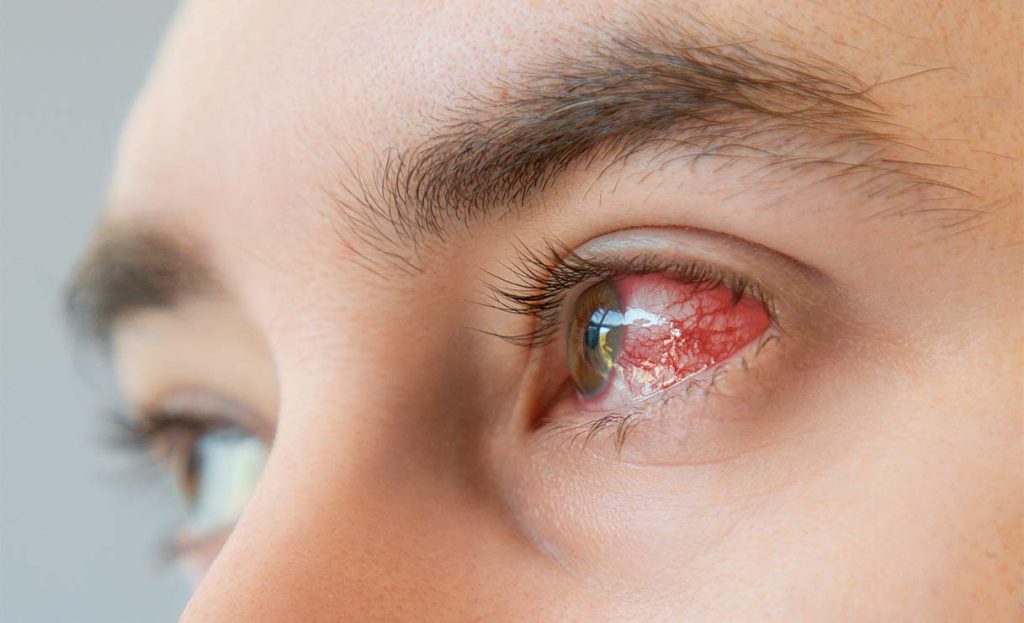
Uveitis is a condition involving inflammation within the eye. It can affect different parts of the eye, including the iris, ciliary body and choroid, and may involve surrounding structures such as the retina and vitreous.
Uveitis can occur suddenly or develop gradually, and may affect one or both eyes. Depending on the location and severity of inflammation, it may cause eye discomfort, light sensitivity and changes in vision.
Early evaluation and appropriate management are important to control inflammation and reduce the risk of complications that may affect vision.
At Claris Eye Centre, assessment focuses on identifying the underlying cause of inflammation and tailoring treatment based on the specific type and severity of the condition.
Care by Dr Helen Mi Fang
Assessment and management of contact lens–related eye conditions at Claris Eye Centre is provided by Dr Helen Mi Fang, Consultant Ophthalmologist and Medical Director.
Dr Helen evaluates patients with symptoms such as redness, pain, blurred vision and irritation associated with contact lens use. Examination includes assessment of the cornea, tear film and ocular surface to identify potential complications, and a thorough examination to rule out other possible conditions
Management plans are tailored according to the specific condition, severity of symptoms and each patient’s overall eye health.
Symptoms of Intraocular Inflammation
Symptoms may vary depending on the location and severity of inflammation. In some cases, symptoms may develop gradually and may not be immediately noticeable.
Common symptoms include:
- Eye redness
- Eye pain or discomfort
- Sensitivity to light (photophobia)
- Blurred or reduced vision
- Floaters (moving spots in vision)
- Increased tearing
Causes of Intraocular Inflammation
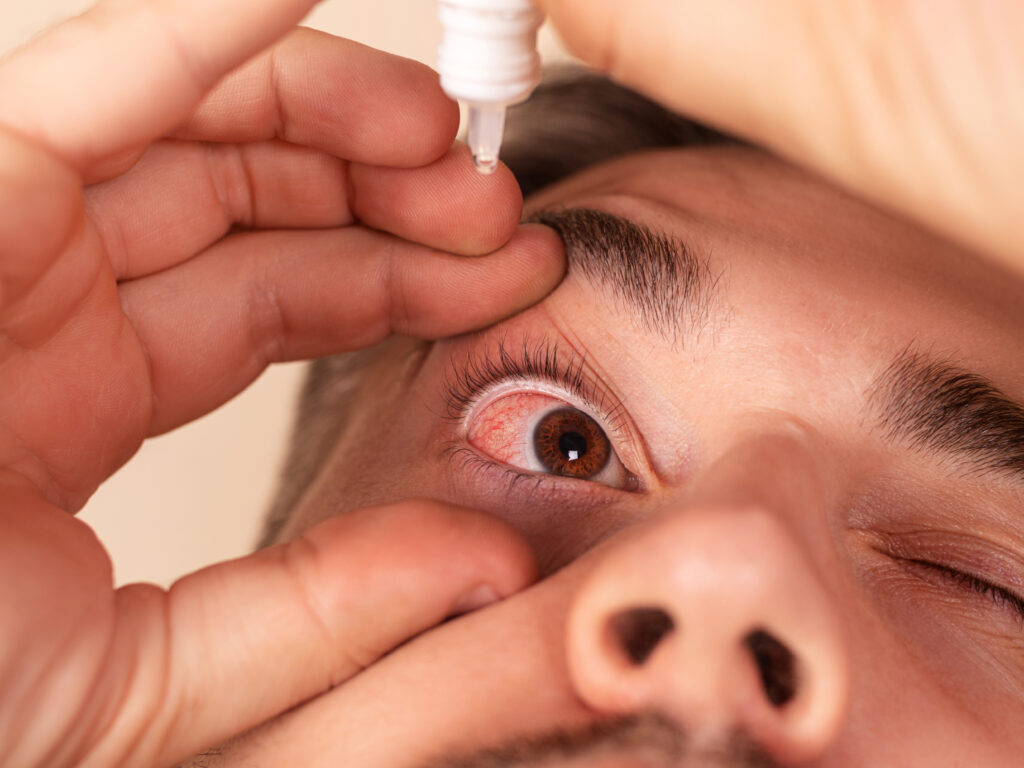
Intraocular inflammation may be associated with a range of underlying causes.
These include:
- Autoimmune or inflammatory conditions
- Infections (bacterial, viral or fungal)
- Previous eye injury or surgery
- Systemic medical conditions
Symptoms That Should Be Evaluated Promptly
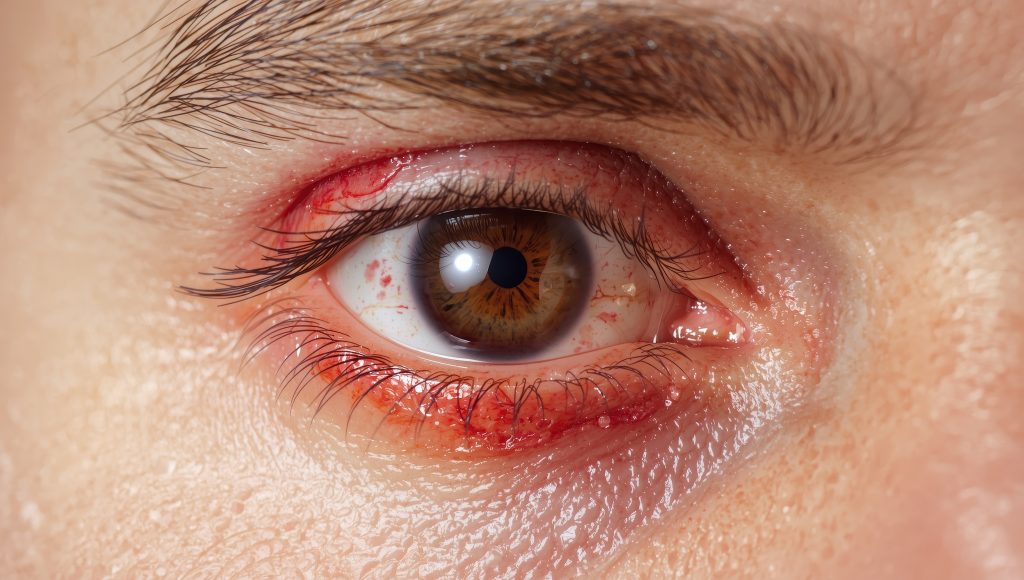
An eye assessment is recommended if you experience:
- Persistent eye redness or pain
- Sensitivity to light
- Sudden or gradual reduction in vision
- New onset of floaters
- Recurring episodes of eye inflammation

Assessment of Intraocular Inflammation
A comprehensive eye examination is required to diagnose intraocular inflammation and determine its cause.
Assessment may include:
- Visual acuity testing
- Slit-lamp examination of the eye
- Dilated retinal examination
- Optical coherence tomography (OCT) imaging
- Retinal photography
- Retinal angiograms
- Additional investigations where indicated
Management of Intraocular Inflammation
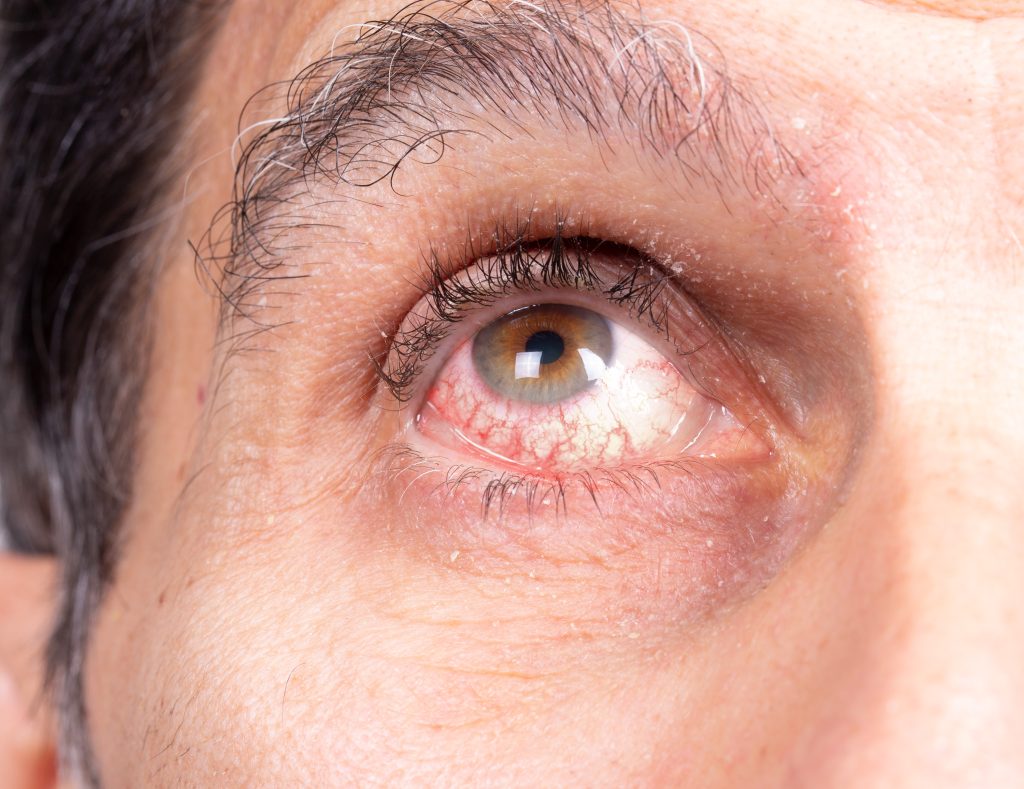
Treatment depends on the underlying cause, location and severity of inflammation.
Management may include:
- Anti-inflammatory medications (such as steroid eye drops or oral medications)
- Medications to treat underlying infections
- Immune-modulating treatments in selected cases
- Monitoring for complications affecting the retina or eye pressure
The aim of treatment is to control inflammation, relieve symptoms and preserve vision.
- Your Retinal Specialist
Dr Helen Mi Fang