
Table of Contents
Glaucoma
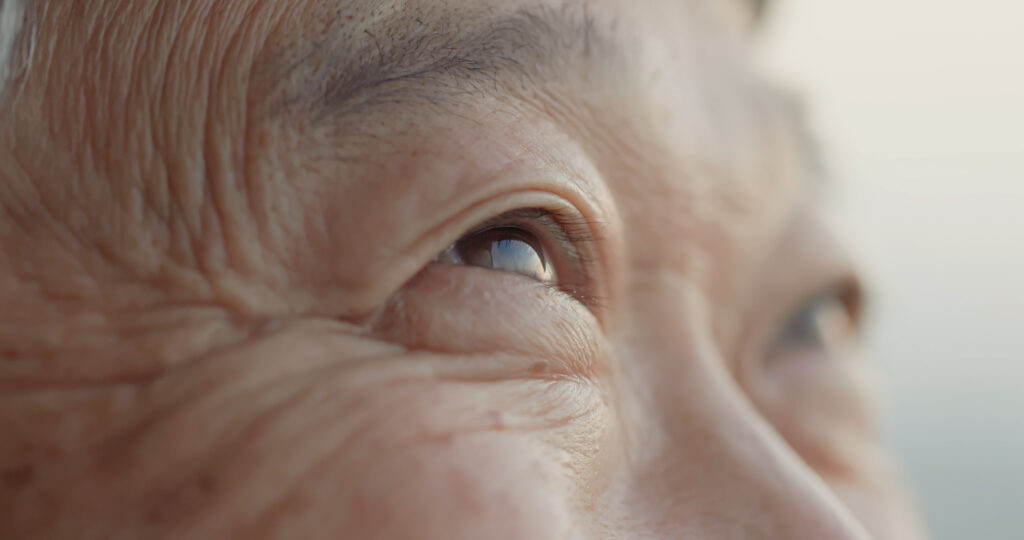
Glaucoma is a group of eye conditions that affect the optic nerve, which is responsible for transmitting visual information from the eye to the brain. It is commonly associated with increased pressure within the eye (intraocular pressure), although glaucoma may also occur with normal eye pressure.
Glaucoma often develops gradually and may not cause any noticeable symptoms in its early stages. If left undetected, it can lead to progressive and irreversible vision loss.
Early detection through regular eye examinations is important, as timely management may help slow disease progression and preserve vision.
At Claris Eye Centre, glaucoma care focuses on early diagnosis, monitoring and individualised treatment based on each patient’s risk profile and disease severity.
Care by Dr Helen Mi Fang
Glaucoma assessment and management at Claris Eye Centre is provided by Dr Helen Mi Fang, Consultant Ophthalmologist and Medical Director.
Dr Helen evaluates patients for glaucoma and related conditions, including those with raised eye pressure, optic nerve changes or risk factors such as family history. Assessment includes detailed examination of the optic nerve and visual function.
Management plans are tailored according to the type of glaucoma, intraocular pressure levels and each patient’s overall eye health.
Understanding Glaucoma
Glaucoma occurs when damage to the optic nerve leads to gradual loss of vision, typically starting with peripheral (side) vision.
In many cases, this damage is associated with elevated intraocular pressure, which may result from build-up of fluid or impaired drainage of fluid within the eye.
Early-stage glaucoma may not cause any symptoms, hence it is often detected during routine eye examinations.
Signs and Symptoms of Glaucoma

In early stages, glaucoma may not present with noticeable symptoms.
As the condition progresses, symptoms may include:
- Gradual loss of peripheral vision
- Difficulty seeing in low light
- Tunnel vision
- Loss of central vision in advanced stages
Types of Glaucoma
Open-angle Glaucoma
Angle-closure Glaucoma
Acute Angle-Closure Glaucoma
A less common but more urgent form of glaucoma may present suddenly.
Symptoms may include:
- Severe eye pain
- Redness of the eye
- Blurred vision
- Halos around lights
- Headache, nausea or vomiting
This condition requires prompt ophthalmic assessment and urgent treatment.
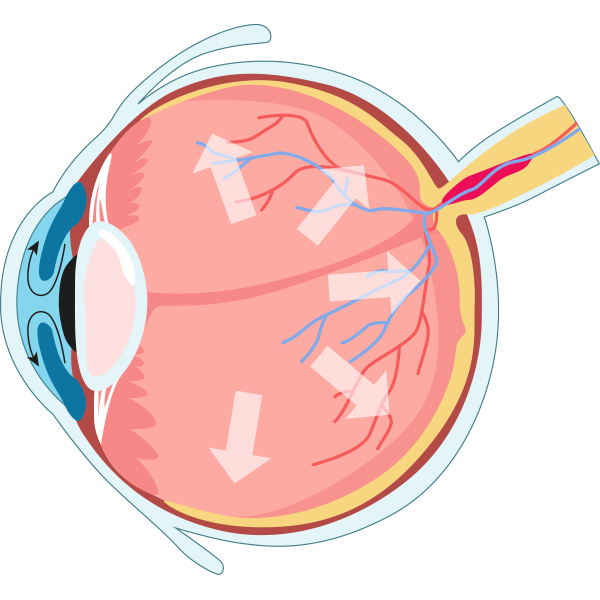
Primary Open-Angle Glaucoma
This is the most common form of glaucoma.
It develops gradually due to reduced drainage of fluid within the eye, leading to increased intraocular pressure over time.
Symptoms are often absent in early stages.
- Creating corneal incisions
- Opening the lens capsule
- Softening and segmenting the cataract
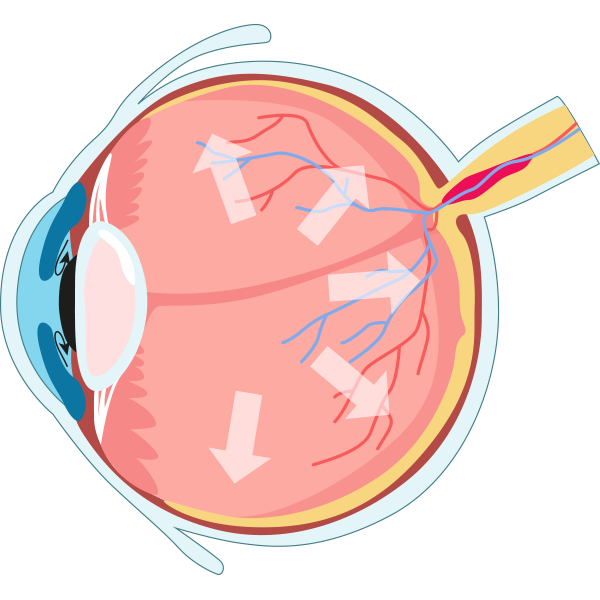
Angle-Closure Glaucoma
Angle-closure glaucoma occurs when the drainage angle of the eye becomes narrow or blocked, preventing fluid from draining properly.
This may lead to a sudden increase in eye pressure.
Normal-Tension Glaucoma
In some cases, optic nerve damage may occur despite normal intraocular pressure.
The exact cause is not fully understood, and early treatment with readjustment of target intraocular pressure, and ongoing monitoring is required.
Secondary Glaucoma
Secondary glaucoma may occur due to other eye conditions, such as dense cataracts, inflammation, trauma, diabetes or certain medications.
Management focuses on treating both the underlying cause and controlling eye pressure.
Angle Closure and Shallow Angles
Some individuals have naturally narrow or “shallow” drainage angles in the eye, which may increase the risk of angle-closure glaucoma.
These angles may not cause symptoms but can be detected during an eye examination.
Upon diagnosis, preventive treatment may be recommended to reduce the risk of sudden angle closure.
Monitoring and Treatment
Glaucoma is a chronic condition that requires ongoing monitoring.
Monitoring
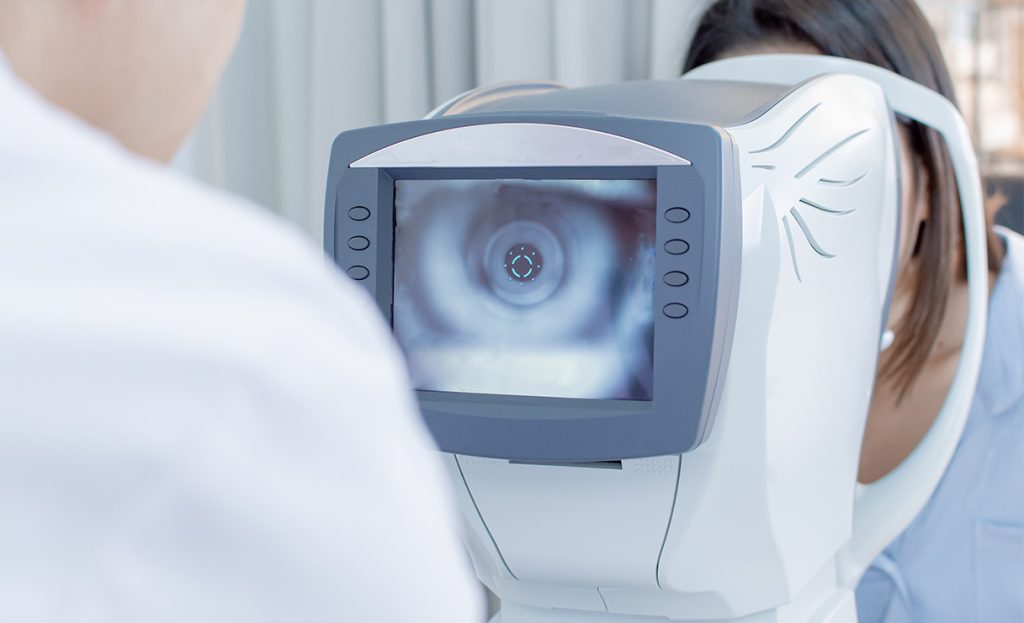
Regular follow-up is important to assess disease progression and response to treatment.
Monitoring may include:
- Visual acuity testing
- Measurement of intraocular pressure
- Visual field testing
- Optic nerve imaging (e.g. OCT)
- Assessment of the drainage angle
Laser Treatment
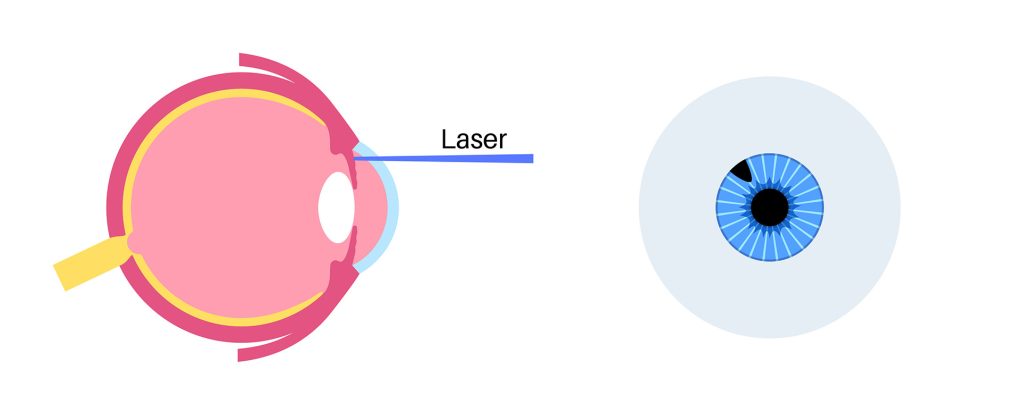
Laser Peripheral Iridotomy (LPI)
Laser peripheral iridotomy is a procedure used to treat or prevent angle-closure glaucoma.
During the procedure:
- A small opening is created in the iris using a laser
- This allows fluid to flow more freely within the eye
Eye pressure may be stabilised LPI is typically performed as an outpatient procedure and may be recommended for patients with narrow angles or angle-closure glaucoma.
Medical Treatment

Eye drops are commonly used to lower intraocular pressure.
These medications work by:
- Reducing fluid production in the eye
- Improving fluid drainage and outflow
- Neuro-protection
Treatment plans and regimes are adjusted based on response and tolerance.
In some cases, additional treatments or procedures may be considered if eye pressure is not adequately controlled.
Symptoms That Should Be Evaluated
An eye assessment is recommended if you experience:
- Gradual loss of side vision
- Blurred vision or difficulty seeing in low light
- Eye pain or redness
- Sudden visual disturbances or halos around lights
- Family history of glaucoma
Regular screening is especially important for individuals at higher risk.
Assessment of Glaucoma
A comprehensive eye examination is required to diagnose glaucoma and assess its severity.
Assessment may include:
- Measurement of intraocular pressure
- Examination of the optic nerve
- Visual field testing
- Optical coherence tomography (OCT) imaging
- Gonioscopy to assess the drainage angle
These tests help guide diagnosis and management.
- Your Retinal Specialist
Dr Helen Mi Fang

Book A Consultation
If you have concerns about glaucoma, changes in your vision or risk factors such as family history, an eye assessment may help with early detection and management.
Schedule an appointment with Claris Eye Centre for a comprehensive evaluation and discussion of appropriate monitoring and treatment options.