Table of Contents
Myopia
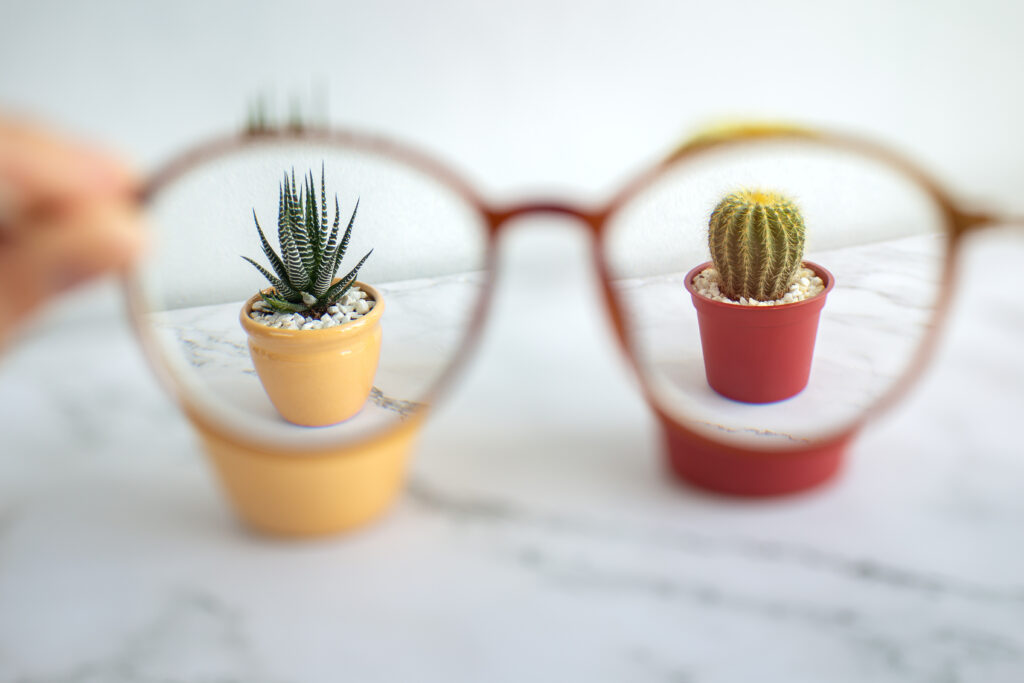
Myopia, also known as short-sightedness, is a common refractive error where distant objects appear blurred while near objects remain clear. It occurs when the eye is longer than normal or when the cornea is too curved, causing light to focus in front of the retina instead of directly on it.
Myopia often develops during childhood and may progress over time, particularly during school years. In Singapore, myopia is highly prevalent and may affect both children and adults.
While myopia can be corrected with glasses or contact lenses, higher degrees of myopia may be associated with an increased risk of eye conditions that can potentially affect vision.
At Claris Eye Centre, assessment focuses on evaluating the extent of myopia, monitoring progression and identifying any associated eye conditions. Management is tailored according to age, lifestyle needs and overall eye health.
Care by Dr Helen Mi Fang
Myopia care at Claris Eye Centre is provided by Dr Helen Mi Fang, Consultant Ophthalmologist and Medical Director.
Dr Helen evaluates both children and adults with myopia, including those with progressive or high myopia. Assessment includes measurement of refractive error, evaluation of eye growth, thorough examination of the eye and detailed assessment of the retina.
Management plans are individualised based on the degree of myopia, rate of progression and each patient’s visual needs.
Understanding Myopia
In a normal eye, light focuses directly on the retina to produce clear vision.
In myopia, the eye is typically longer than normal, or the cornea is more curved. This causes light to focus in front of the retina, resulting in blurred distance vision.
Myopia may:
- Develop during childhood
- Progress during school years
- Stabilise in early adulthood in some individuals
In certain cases, myopia may continue to progress into adulthood.
Symptoms of Myopia
Common signs and symptoms include:
- Blurred vision when looking at distant objects
- Difficulty seeing the board in school or road signs clearly
- Squinting to see distant objects
- Eye strain or headaches
- Sitting closer to screens or holding objects closer to the eyes
Children may not always recognise or report visual difficulties, so regular eye checks are important.
What is High Myopia?
High myopia refers to a higher degree of short-sightedness, usually associated with a longer eye length.
Individuals with high myopia may have an increased risk of eye conditions such as:
- Retinal tears or detachment
- Myopic macular degeneration
- Glaucoma
- Early cataracts
Regular monitoring is important to detect and manage these potential complications.
Myopia in Children
Myopia commonly develops in childhood and may progress as the eyes continue to grow.
Factors that may contribute to myopia progression include:
- Prolonged near work (e.g. reading, screen use)
- Limited time spent outdoors
- Family history of myopia
Management Options for Myopia
Management of myopia depends on age, degree of myopia and progression.
Glasses
Spectacles are the most common method of correcting myopia. They provide clear vision and can be updated as the prescription changes.
Contact Lenses
Contact lenses may be an option for suitable individuals and can provide a wider field of vision compared to glasses.
Proper lens care and hygiene is important to reduce the risk of complications.
Myopia Control Strategies (Children)
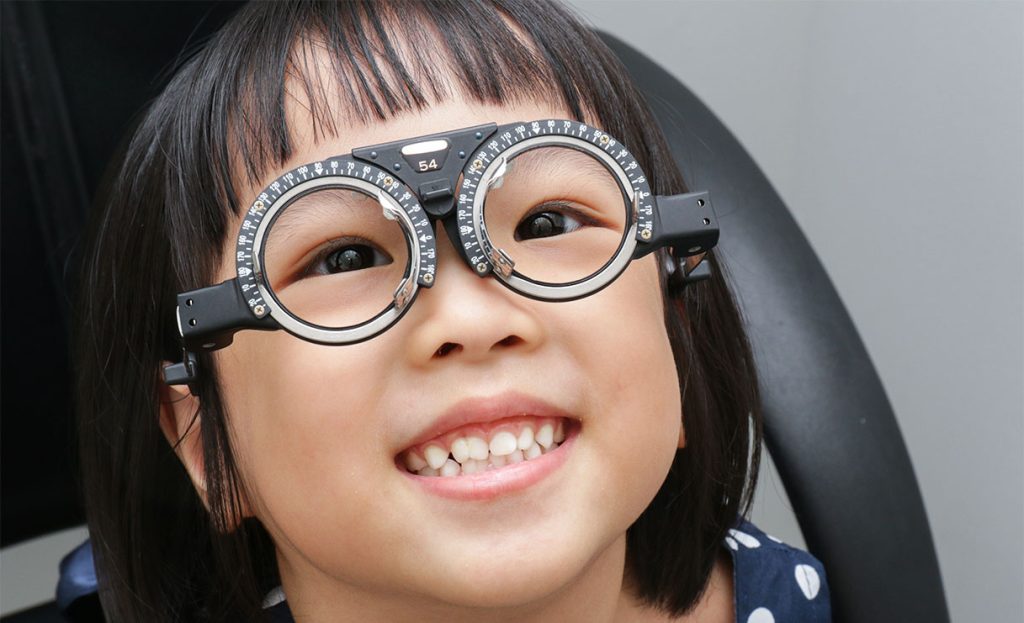
In children with progressive myopia, certain strategies may be considered to help slow progression.
These may include:
- Myopia control habits
- Optimising correction of degrees
- Medications such as low-dose atropine eye drops
Suitability depends on individual assessment.
Monitoring and Eye Health Assessment
Regular eye examinations are important to:
- Track changes in myopia
- Monitor eye growth in children
- Detect early signs of myopia-related complications
Symptoms That Should Be Evaluated
An eye assessment is recommended if you or your child experience:
- Difficulty seeing distant objects clearly
- Frequent squinting
- Eye strain or headaches
- Rapid changes in spectacle prescription
- Sudden onset of floaters or flashes (in high myopia)
- Distortion in central vision
Early evaluation allows appropriate management and monitoring.
Assessment of Myopia
A comprehensive eye examination is required to diagnose and monitor myopia.
Assessment may include:
- Visual acuity testing
- Refraction to determine spectacle prescription
- Measurement of eye length (in selected cases)
- Examination of the retina, particularly in moderate to high myopia
- Evaluation of overall eye health
These findings help guide management and follow-up.
- Your Retinal Specialist
Dr Helen Mi Fang

Book A Consultation
If you or your child are experiencing blurred distance vision or changes in eyesight, an eye assessment may help determine whether myopia is present and whether monitoring or treatment is required.
Schedule an appointment with Claris Eye Centre for a comprehensive evaluation and discussion of appropriate management options.