
Table of Contents
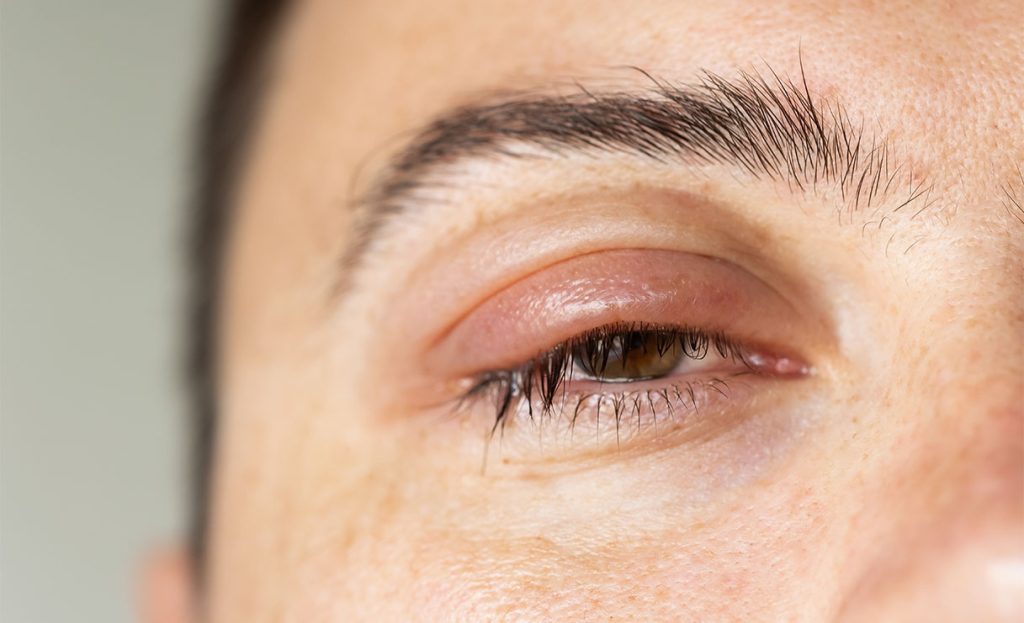
Meibomian Gland Dysfunction
Meibomian Gland Dysfunction (MGD) is a common condition affecting the oil-producing glands located along the edges of the eyelids. These glands, known as the meibomian glands, produce an oily layer that helps prevent tears from evaporating too quickly.
When these glands become blocked or do not function properly, the tear film may become unstable. This can lead to symptoms such as dry eyes, irritation, redness and fluctuating vision.
Meibomian gland dysfunction is one of the most common causes of ocular surface discomfort, eyelid inflammation and infections. It is also associated with dry eye disease. Early evaluation and appropriate management may help improve tear stability and support the health of the eye surface to prevent associated complications.
At Claris Eye Centre, assessment focuses on identifying the underlying cause of gland dysfunction and recommending management options tailored to each patient’s symptoms and eye health.
Care by Dr Helen Mi Fang
Management of Meibomian Gland Dysfunction at Claris Eye Centre is provided by Dr Helen Mi Fang, Consultant Ophthalmologist.
Dr Helen evaluates patients with symptoms of gland dysfunction, eyelid inflammation and ocular surface discomfort. Assessment includes examining the eyelids, tear film and meibomian gland function to determine the underlying cause of symptoms.
Treatment recommendations are tailored according to the severity of gland dysfunction, associated symptoms and complications and each patient’s overall eye health.
Understanding Meibomian Gland Dysfunction
The meibomian glands are located within the eyelids and play an important role in maintaining a healthy tear film.
These glands produce oil that forms the outer layer of the tear film. This oil layer helps slow down tear evaporation and keeps the surface of the eye lubricated.
When the glands become blocked, inflamed or produce poor-quality oil, the tear film may evaporate more quickly. This can result in symptoms of dryness, irritation and itch.
Over time, untreated gland dysfunction may contribute to chronic dry eye symptoms, eyelid discharge and inflammation of the eyelids and eye.
Symptoms of Meibomian Gland Dysfunction

Common symptoms include:
- Dry or irritated eyes
- Burning or stinging sensation
- Redness of the eyes
- Gritty or sandy feeling in the eyes
- Eye itch
- Blurred or fluctuating vision
- Sensitivity to light
- Eye discomfort during prolonged screen use
Some patients may also notice crusting along the eyelid margins or a sensation of heaviness in the eyelids.
Factors That May Contribute to MGD
Several factors may contribute to the development of meibomian gland dysfunction.
These include:
- Age-related changes in gland function
- Recurrent eyelid inflammation (blepharitis)
- Reduced blinking due to various conditions
- Contact lens wear
- Hormonal changes
- Environmental factors such as air-conditioning or concurrent allergies
- Skin conditions such as rosacea
Management Options for Meibomian Gland Dysfunction
Treatment for MGD aims to improve the function of the oil-producing glands and stabilise the tear film. Management plans are tailored according to the severity of gland dysfunction and associated symptoms.
Warm Compresses
Warm compresses may help soften thickened oils within the glands and encourage improved oil flow.
Regular warm compress use may support better gland function and help relieve eyelid discomfort.
Eyelid Hygiene
Maintaining eyelid hygiene may help reduce debris and bacteria along the eyelid margins.
This may include gentle cleaning of the eyelids using specially formulated lid cleansers or wipes.
Lubricating Eye Drops
Lubricating eye drops may be recommended to stabilize the tear film and improve eye comfort.
Certain formulations may help supplement both the aqueous and lipid layers of the tear film.
Medical Treatments
In some cases, medications may be prescribed to manage eyelid inflammation or improve gland function.
Treatment recommendations depend on the clinical findings during the eye examination.
Symptoms That Should Be Evaluated
Persistent eye discomfort may indicate meibomian gland dysfunction or other ocular surface conditions.
An eye assessment may be recommended if you experience:
- Ongoing dryness or irritation
- Red or inflamed eyelids
- Frequent eye redness
- Blurred or fluctuating vision
- Discomfort during prolonged digital device use
Assessment of Meibomian Gland Dysfunction
A comprehensive eye examination is required to evaluate meibomian gland function and tear film stability. These tests help determine the severity of gland dysfunction and guide treatment recommendations.
Assessment may include:
- Examination of the eyelid margins
- Evaluation of meibomian gland openings
- Assessment of tear film stability
- Slit-lamp examination of the eye surface
- Evaluation of the ocular surface for signs of dryness or inflammation
These findings help guide management and follow-up.
- Your Retinal Specialist
Dr Helen Mi Fang

Book A Consultation
If you are experiencing persistent eye dryness, irritation or eyelid discomfort, an eye assessment may help determine whether meibomian gland dysfunction is contributing to your symptoms.
Schedule an appointment with Claris Eye Centre for a comprehensive evaluation and discussion of appropriate management options.