
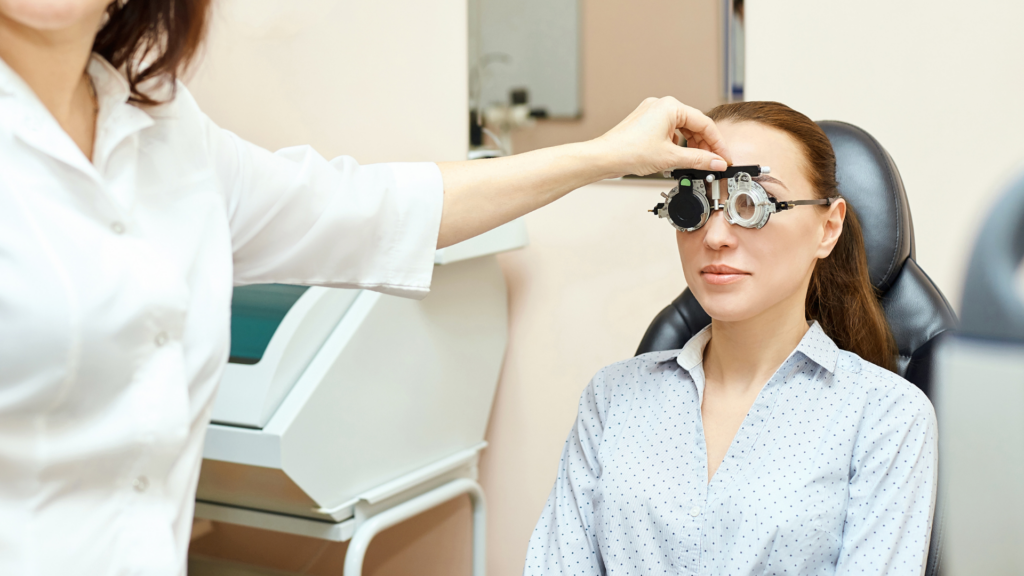
Protecting your eyes from the silent progress of diabetic retinopathy.
When we think about managing diabetes, we usually think about finger-prick tests, carbohydrate counts, and medication schedules. But there is a silent target organ of diabetes that often goes unnoticed until it is too late: your eyes.
Singapore has one of the highest rates of diabetes among developed nations, with approximately 1 in 11 residents living with the condition. Globally, the International Diabetes Federation reports that over 40% of people with diabetes are completely unaware they even have it (Suradji, 2026). When blood sugar stays elevated, it silently targets the eyes by damaging the microscopic blood vessels in the retina—the light-sensitive layer at the back of your eye. This condition is called diabetic retinopathy.
Health Check: The Reality of Diabetic Eye Disease
- 1 in 4*: Approximate number of diabetic patients in Singapore who already have diabetic retinopathy
- 1 in 10*: Diabetic patients whose eye changes have already preogressed to a severe, "vision-threatening" stage
Because this disease develops slowly and without any initial pain or symptoms, regular eye screenings are your absolute best line of defense. Waiting for your vision to blur before getting checked can potentially result in missing the vital window for early treatment.
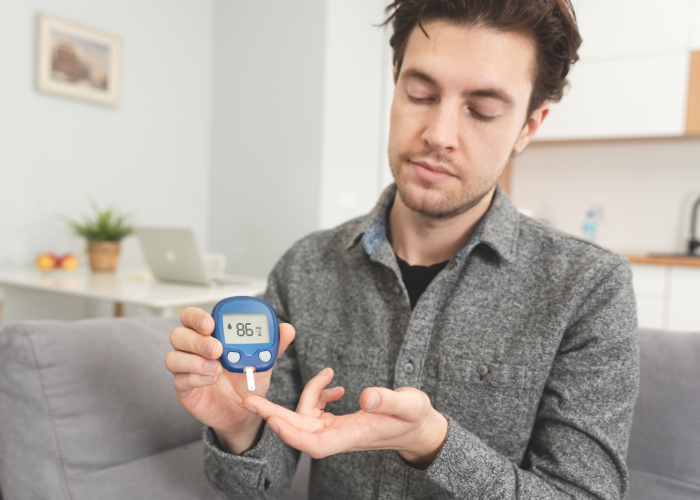
Why Timing is Everything
The most dangerous thing about diabetic eye disease is that it can progress significantly with zero symptoms. Long-term tracking reveals that while it takes a few years to develop mild eye changes, the transition from mild to advanced, irreversible vision damage can happen incredibly fast—often in less than a year (Seshasai, 2024).
Regular annual monitoring allows eye specialists to:
- Catch hidden changes: Detect micro-bleedings, leaky blood vessels, or retinal swelling early.
- Track progression: Monitor how your eyes change at regular intervals based on your individual eye condition to preempt potentialvision loss.
- Personalize care: Guide timely treatments such as laser therapy or injections of specialized medications or even surgery early to prevent or reduce irreversible visual loss.
Who Needs Screening?
- If you fall into any of these categories, an eye assessment should be on your calendar:
- Anyone living with Type 1 or Type 2 diabetes (regardless of how long you've had it).
- Individuals who are newly diagnosed – establishing a baseline is critical.
- Anyone with existing diabetic eye changes who usually would require closer tracking.
The Golden Rule: Routine eye examinations are recommended at least once a year. However, if early changes or high-risk indicators are found, your doctor may advise more frequent checks.
What to Expect at Your Screening
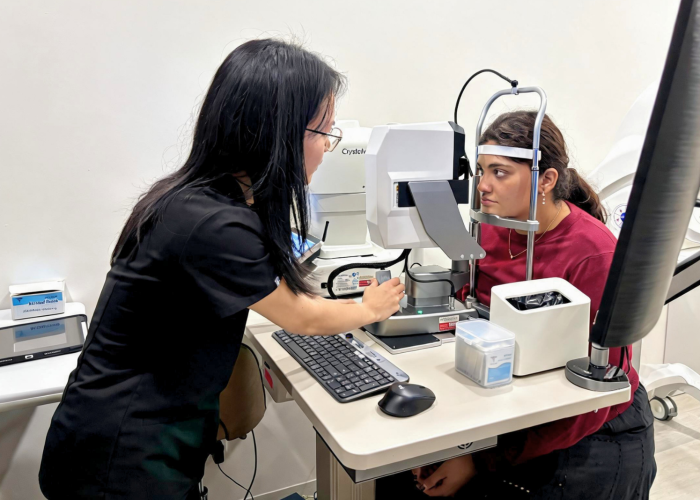
An eye assessment is quick, non-invasive, and completely painless. It goes far beyond a standard vision chart test to look through the pupil and visualize the structures of the back of your eye. Your assessment may include:
- Visual Acuity Testing: Checking the sharpness and clarity of your vision.
- Tonometry: Measuring your internal eye pressure to check for secondary risks like glaucoma.
- Retinal Imaging (Fundus Photography & Retinal Scans): Taking wide field photographs to capture any abnormalities in your retina. When required, highly detailed cross-sectional images of your retina can be captured with specialized scanning machines to spot retinal swelling and other abnormalities.
- Dilated Eye Examination: Using special drops to widen your pupils, allowing an ophthalmologist (eye specialist) to thoroughly inspect your optic nerve, retina, macula and blood vessels.
Warning Signs: Symptoms to Watch For
While you should never wait for symptoms to appear, you should seek immediate care if you notice any of these visual red flags:
- Blurred, hazy, or constantly fluctuating vision
- New “floaters,” cobwebs, or dark spots moving across your field of view
- Increased difficulty seeing clearly at night
- Distorted lines (e.g., straight lines appearing wavy) or blank, missing patches in your vision
- Sudden, unexpected changes in how well you see
Protecting Your Sight Beyond the Clinic
While screenings catch problems early, you hold the power to prevent them daily. Keeping your blood sugar, blood pressure, and cholesterol within optimum target ranges acts like a shield to reduce the risk of diabetic eye disease. Local data shows that patients who maintain optimal HbA1c (average blood sugar) levels significantly increase their chances of reversing early-stage retinal changes (Seshasai, 2024). Coupled with regular eye exams, you can successfully safeguard your sight for the long haul.
- Your Retinal Specialist
Dr Helen Mi Fang
Learn more about our Diabetic Eye Screening & Monitoring Package or book your annual assessment today.

References
- 1 in 4: Approximate number of diabetic patients in Singapore who already have diabetic retinopathy
Chiang, P. P. C., Lamoureux, E. L., Cheung, C. Y., Sabanayagam, C., Wong, W., Tai, E. S., Lee, J., & Wong, T. Y. (2011). Racial differences in the prevalence of diabetes but not diabetic retinopathy in a multi-ethnic Asian population. Investigative Ophthalmology & Visual Science, 52(10), 7586. https://doi.org/10.1167/iovs.11-7698
- 1 in 10: Diabetic patients whose eye changes have already progressed to a severe, “vision-threatening” stage.
Seshasai, S. (2024). Transition probabilities of diabetic retinopathy and death in an Asian population with diabetes. Asia-Pacific Journal of Ophthalmology, 13, 100070.
- Suradji, E. W. (2026). Assessment of blood glucose measurement using new noninvasive technology: Protocol and methodology. JMIR Research Protocols, 15, e76558.
- https://www.diabetes.org.sg/diabetes-in-singapore/