
Diabetic Eye Screening & Monitoring
Table of Contents
Diabetic Eye Screening & Monitoring
Diabetes is a common condition in Singapore, affecting about 8.5% of adults aged 18 to 74*. It can affect the eyes even before noticeable symptoms develop. Over time, high blood sugar levels may damage the small blood vessels in the retina, potentially affecting vision.
Regular eye examinations are an important part of diabetes care, helping to detect early changes, monitor progression, and guide timely treatment where needed.
*Source: Diabetes Singapore
What is Diabetic Eye Disease?
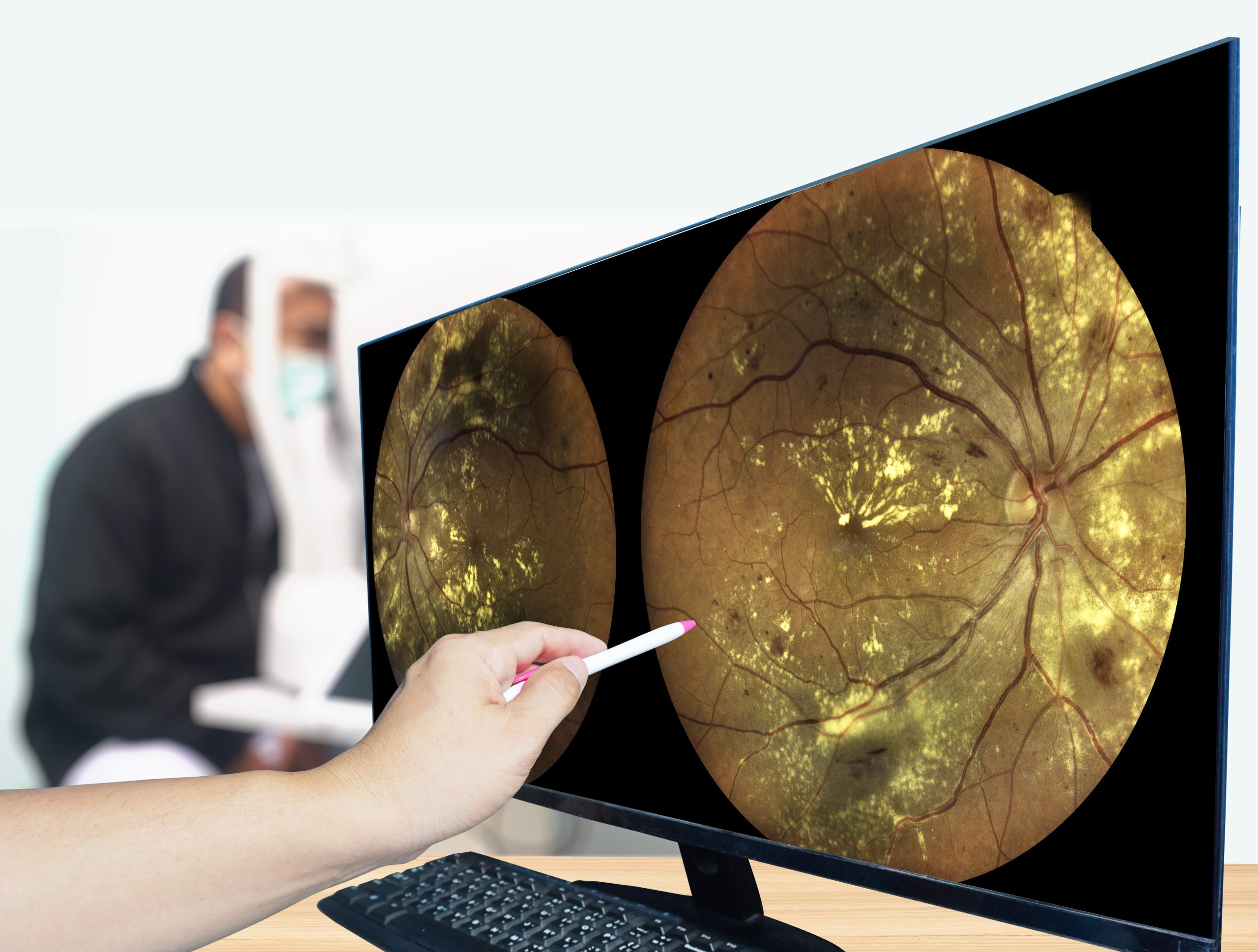
Diabetic eye disease refers to a group of conditions that affect the retina in people with diabetes. These conditions are typically a part of medical retinal conditions, or surgical retinal conditions:
- Diabetic retinopathy – damage to the small blood vessels in the retina
- Diabetic maculopathy – swelling or changes affecting the central vision
These conditions may develop gradually and may not cause symptoms until advanced stages.
Why Regular Monitoring is Important
Many patients with diabetic eye disease do not experience symptoms even when the condition has progressed.
Regular monitoring helps to:
- Detect retinal changes before vision is affected
- Track progression over time
- Guide treatment decisions where necessary
- Institute early treatment where necessary
- Reduce the risk of vision loss through timely intervention

Who Should Have Regular Eye Checks?
Eye screening is recommended for:
- Individuals with any form of diabetes
- Patients with newly diagnosed diabetes
- Those with existing diabetic eye changes or previous treatment
As a general guide, eye examinations are typically performed at least once a year, or more frequently depending on individual findings.
Diabetic Eye Screening
We offer diabetic eye screening for individuals with pre-diabetes or diabetes mellitus, to support early detection and ongoing monitoring of eye health.
A typical assessment may include:
- Visual acuity testing (clarity of vision)
- Eye pressure measurement (tonometry)
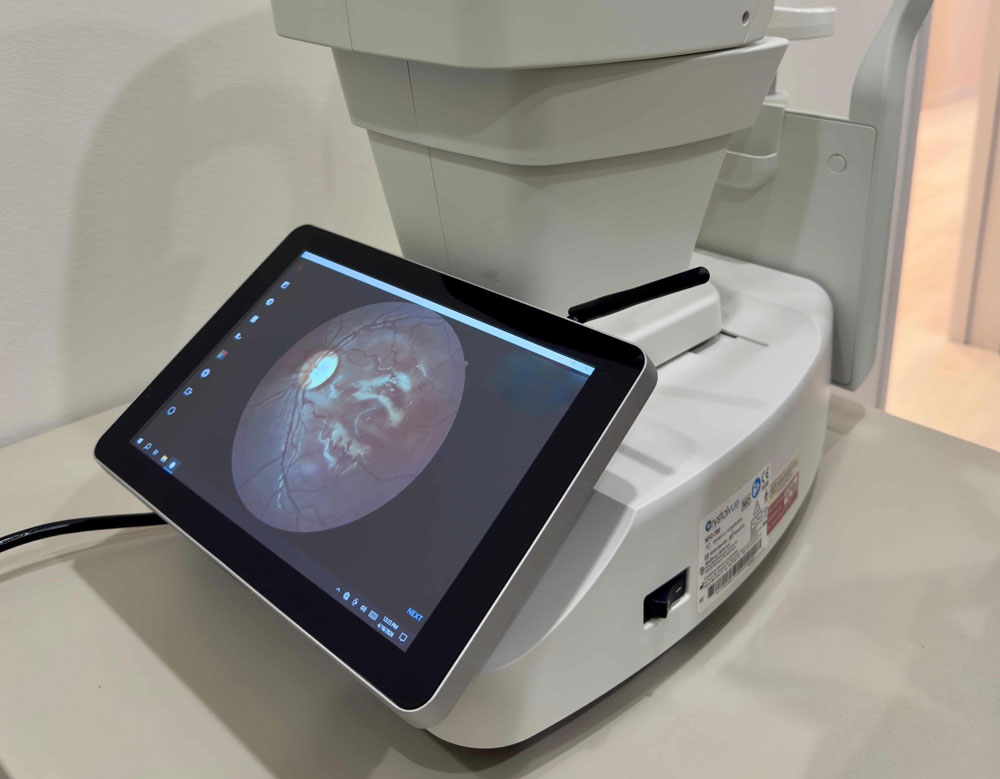
- Widefield retinal photography to assess the retina
- Consultation with an ophthalmologist
These assessments help to identify early retinal changes and provide a baseline for monitoring over time.
What to Expect During Diabetic Eye Monitoring
A diabetic eye assessment may include a combination of tests to evaluate both vision and retinal health:
- Visual acuity testing (clarity of vision)
- Eye pressure measurement (tonometry)
- Retinal imaging (such as fundus photography or OCT scans)
- Dilated eye examination to assess the retina
These tests help provide a detailed assessment of the eye and allow for comparison over time. They may also be included in our General Eye Screening and Comprehensive Eye Screening packages.
Symptoms to Look Out For
Diabetic eye disease may not cause symptoms in its early stages. However, individuals with diabetes should be aware of the following changes:
- Blurred or fluctuating vision
- Floaters or dark spots
- Difficulty seeing clearly at night
- Distortion or patches of missing vision
- Sudden changes in vision
If you have diabetes and notice any of these symptoms, it is advisable to seek an eye assessment.
Regular eye examinations are also recommended even if no symptoms are present, as many changes may only be detected through a detailed eye check.
Treatment Options
If diabetic eye disease is detected, treatment depends on the stage and severity of the condition. Options may include:
- Intravitreal injections to reduce retinal swelling
- Retinal laser treatment to manage abnormal blood vessels
- Surgical Procedures for advanced cases, which may be performed as part of Surgical Retina Care when indicated.
Our ophthalmologist will advise on the most appropriate approach based on your condition.
Ongoing Care and Follow-Up
Diabetic eye disease is typically managed over time with regular monitoring. Follow-up intervals are tailored based on individual findings and risk factors.
Maintaining good control of blood sugar, blood pressure, and cholesterol levels also plays an important role in overall eye health. Assessments are conducted by our ophthalmologist experienced in retinal conditions, Dr Helen Mi Fang.
Book A Consultation
If you have diabetes, regular eye checks are an important part of your long-term care.
Our clinic provides comprehensive eye assessments to support early detection and ongoing monitoring of diabetic eye conditions.